Wondering if Jamaica Plain should be where you buy your first home? It is a smart question, especially in a Boston neighborhood with so much character, so many housing types, and a lifestyle that feels different from one block to the next. If you are trying to balance budget, commute, maintenance, and daily quality of life, this guide will help you think clearly about whether JP truly matches your goals. Let’s dive in.
Why Jamaica Plain Stands Out
Jamaica Plain has a distinct feel within Boston. Boston Planning describes it as a classic streetcar suburb, and that history still shows up in its older streets, established housing, and walkable fabric. If you want a neighborhood that feels rooted and lived-in, JP often delivers that right away.
The housing mix is also broader than many first-time buyers expect. According to Boston Planning and city housing data, Jamaica Plain includes triple-deckers, apartments, condominiums, mixed-use buildings, and historic homes. That variety can give you more than one path into ownership, depending on your budget and lifestyle.
What First-Time Buyers Usually Find
For many buyers, condos are a meaningful part of the ownership conversation in Jamaica Plain. Boston housing data shows that 430 units in JP were converted to condominiums between 2015 and 2021, which supports the idea that condos are a major part of the local market. If your first purchase needs to be lower maintenance than a full single-family home, that matters.
At the same time, owner occupancy in Jamaica Plain is relatively strong by Boston standards. BPDA data puts JP at about 44.1% owner-occupied, compared with 34.8% for Boston overall. That does not tell you what any one block feels like, but it does suggest that ownership is well established in the neighborhood.
Housing Style in Jamaica Plain
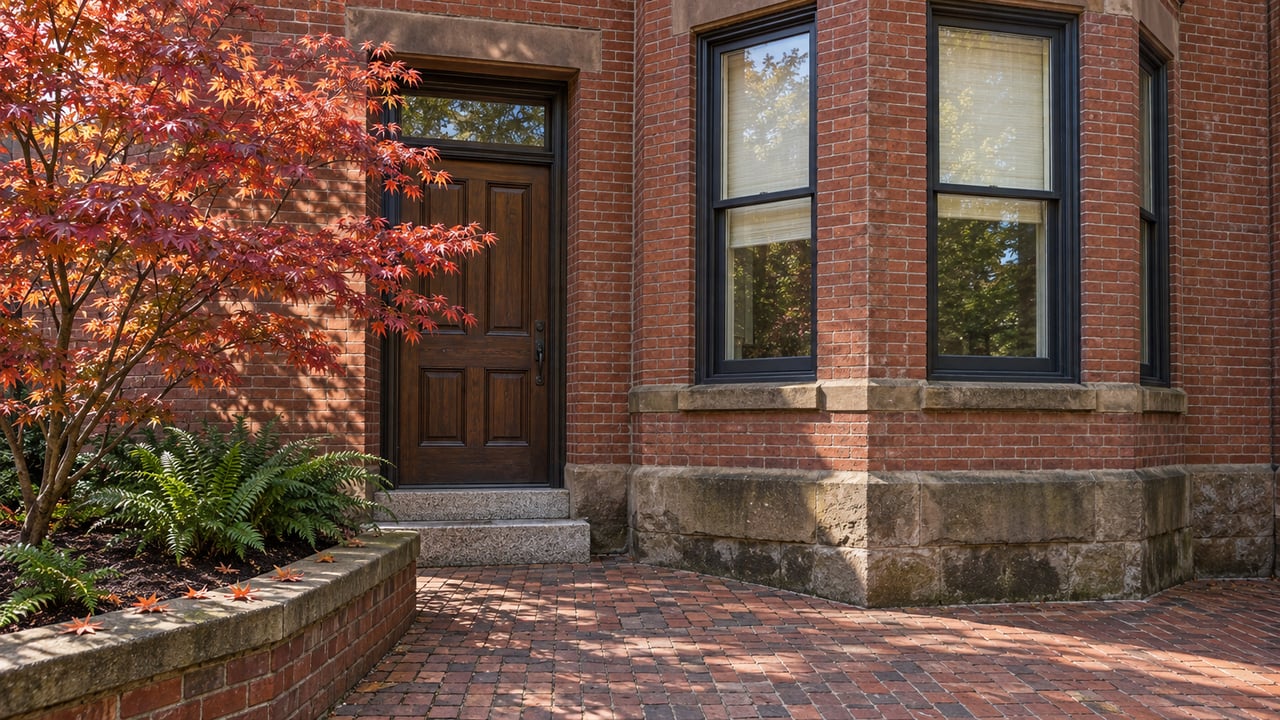
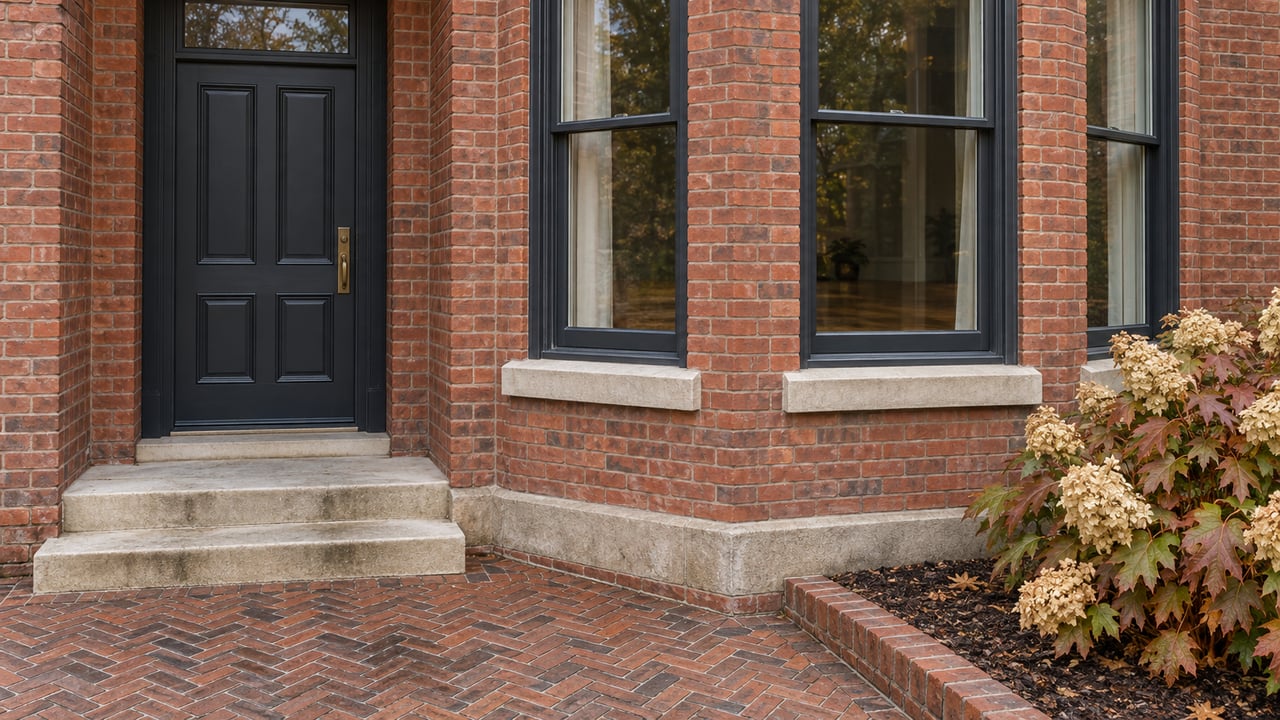
If you are picturing all-new homes with simple upkeep, Jamaica Plain may not be the easiest match. Much of the neighborhood is known for older housing stock, including classic triple-deckers and historic homes in areas such as Sumner Hill. Some subareas also fall under overlay rules that aim to preserve historic character, scale, pedestrian quality, and concentrations of historic buildings.
That can be a big plus if you love architectural detail and a sense of place. It can be more challenging if you want a blank-slate property or expect easy renovation flexibility. For a first house, it helps to be honest about how much maintenance, repair planning, or renovation work you are ready to manage.
Older Homes Can Be a Feature
Older housing is not automatically a drawback. Many buyers are drawn to homes with more character, more established streetscapes, and layouts that feel tied to the neighborhood’s history. If that appeals to you, JP may feel more compelling than areas dominated by newer buildings.
Historic Rules May Affect Renovation Plans
If you expect to update or expand a property, location matters within JP. In some historic pockets, preservation rules may shape what changes are possible. That does not mean you cannot improve a home, but it does mean you should understand the property context early in the process.
Daily Life: Parks Matter Here
One of Jamaica Plain’s strongest selling points is everyday access to green space. Jamaica Pond is a major local amenity, with activities that include rowing, sailing, fishing, running, biking, concerts, children’s programs, and theater. The pond’s 1.5-mile path is also a popular route for joggers and dog walkers.
The Arnold Arboretum adds another major benefit. Harvard describes it as a 281-acre landscape with more than 15,000 accessioned plants, open daily and free to explore. For buyers who want outdoor routines built into daily life, this kind of access is hard to ignore.
JP also connects to the broader Emerald Necklace, which spans 1,100 acres across Boston and Brookline. In practical terms, that means you may value nearby walking loops, park access, and open space more than a large private yard. For many first-time buyers, that trade can make a lot of sense.
Commuting From Jamaica Plain
Jamaica Plain tends to work well for buyers who are comfortable using more than one transportation option. Boston Planning says the neighborhood is easily accessible by the Southwest Corridor, MBTA trains, and buses, with Forest Hills Station serving as the main transit hub. Orange Line access at Forest Hills and Green Street, along with bus connections near Jamaica Pond and the Arboretum, adds to that flexibility.
This is also a neighborhood where biking is part of the transportation picture. Boston Planning reports that 6% of residents commute by bicycle, the highest share in Boston. If you like the idea of combining transit, biking, and walking, JP may fit your routine well.
That said, car ownership still matters here. BPDA data shows that 27.0% of households reported no vehicle access, 48.9% had one vehicle, 19.6% had two, and 4.6% had three or more. For your first home purchase, parking and car storage should be part of your budget discussion from the start.
Is Jamaica Plain Right for Your First House?
The short answer is yes for some buyers, and not for others. Jamaica Plain is often a strong fit if you value neighborhood character, access to parks, and flexible commuting options enough to accept some tradeoffs. Those tradeoffs may include older-home maintenance, more complex parking decisions, or less of a suburban ownership experience.
It may be a weaker fit if your top priorities are brand-new construction, the easiest possible parking situation, or a very low-maintenance setup with a more suburban feel. The neighborhood itself is not the issue. The key is whether your expectations line up with what JP actually offers.
Questions to Ask Before You Buy in JP
Before you commit to Jamaica Plain, it helps to pressure-test your decision with a few practical questions:
- Do you want a condo, a two- or three-family property, or a historic single-family home?
- Are you comfortable with the upkeep that often comes with older housing?
- Will your commute work if you rely on subway, bus, walking, biking, or a one-car household?
- How important is daily park access compared with private outdoor space?
- Can your monthly budget comfortably cover condo fees, parking costs, and a repair reserve?
- If you plan to renovate, have you checked whether a property sits in an area with historic overlay rules?
- Are you choosing Jamaica Plain because you genuinely like the neighborhood, or because you are trying to stretch it to fit a budget that may work better elsewhere?
These are not trick questions. They are the kinds of details that help first-time buyers make confident decisions instead of emotional ones.
A Smart Way to Think About the Tradeoffs
For many buyers, the biggest appeal of Jamaica Plain is that it offers a Boston ownership experience with real personality. You may get older architecture, a stronger neighborhood feel, and daily access to meaningful green space. In exchange, you may need to be more thoughtful about maintenance, renovation limits, parking, or whether a condo is the best first step.
That is why JP tends to work best when you choose it for what it is, not for what you hope it might become. If you want character, transit flexibility, and park access, Jamaica Plain can be a very compelling first-home choice. If you want simplicity above all else, another neighborhood may be a better fit.
If you are weighing Jamaica Plain against other Boston neighborhoods, working through those tradeoffs with a local advisor can save you time and help you focus on the right options. If you want a thoughtful, data-informed conversation about your next move, connect with Georgia Balafas.
FAQs
Is Jamaica Plain a good place to buy a first home?
- Jamaica Plain can be a strong fit for first-time buyers who value older housing, park access, and transit flexibility, and who are comfortable with tradeoffs like parking costs or home maintenance.
What types of homes are common in Jamaica Plain?
- Jamaica Plain includes triple-deckers, condominiums, apartments, mixed-use buildings, and historic single-family homes, giving buyers several ownership options.
Are condos common in Jamaica Plain for first-time buyers?
- Yes. City housing data shows 430 units in Jamaica Plain were converted to condominiums between 2015 and 2021, which supports condos as an important part of the local ownership market.
How transit-friendly is Jamaica Plain for Boston buyers?
- Jamaica Plain is well connected by MBTA trains, buses, and the Southwest Corridor, with Forest Hills Station as the main transit hub and Orange Line access at Forest Hills and Green Street.
Should first-time buyers in Jamaica Plain budget for parking?
- Yes. Even in a transit-friendly neighborhood, parking and car storage can affect your monthly costs, especially if your household plans to keep a vehicle.
What outdoor amenities does Jamaica Plain offer homeowners?
- Jamaica Plain offers major outdoor access through Jamaica Pond, the Arnold Arboretum, and the broader Emerald Necklace, which supports walking, running, biking, and other everyday outdoor routines.