If you have opened a portal search for the North End this summer, you have seen the numbers pull in three directions at once. One source shows a trailing twelve-month median of $780,000. Another shows a March 2026 median of $904,950. A third puts the waterfront median list price at $1.32 million. All three are accurate. None of them describe a single market.
The North End is the smallest residential neighborhood in central Boston by land area and one of the most structurally divided by building stock. A buyer comparing it to Back Bay or the Seaport on median alone will misread what their dollar actually gets, what the monthly carry looks like, and what happens on resale. The mechanism worth understanding is the mix.
Start With the Friction, Not the Price
Three transaction-specific facts catch North End buyers off guard, and all three sit downstream of one decision: which tier of building you are actually buying into.
The first is parking. In the North End/Waterfront submarket as of mid-2026, listings that include off-street parking carry a median list price of roughly $1.11 million and receive an average of four offers within 33 days. Listings without parking in the same submarket sit at a median of $1.32 million and average 55 days on market. The parking-inclusive homes are cheaper and move faster. That inversion is not a discount on parking. It is a signal that the parking-inclusive stock is concentrated in wharf-tier buildings where the buyer pool self-selects around monthly carrying costs, while the un-parked luxury walk-up conversions carry higher headline prices per unit but slower absorption.
The second is the HOA fee spread. A Lincoln Wharf owner pays roughly $400 to $700 monthly with heat, water, sewer, insurance, security, air conditioning, snow, and trash covered. A comparable-square-foot walk-up condo two blocks inland may bill $250 a month with only master insurance and common areas included. The difference is not "expensive versus cheap." It is a decision about which line items sit inside your mortgage payment and which surface as capital calls later.
The third is the special assessment risk profile. Walk-up associations in the North End are typically small, self-managed, and thinly reserved. A rule of thumb that circulates among local brokers puts a healthy reserve at roughly $10,000 per unit. Older walk-ups routinely sit below that. Wharf buildings collect more, spend more, and pass through elevator refurbishment, facade restoration, and HVAC replacement as scheduled capex.
Three Buildings, Three Different Deals
The Walk-Up Tier
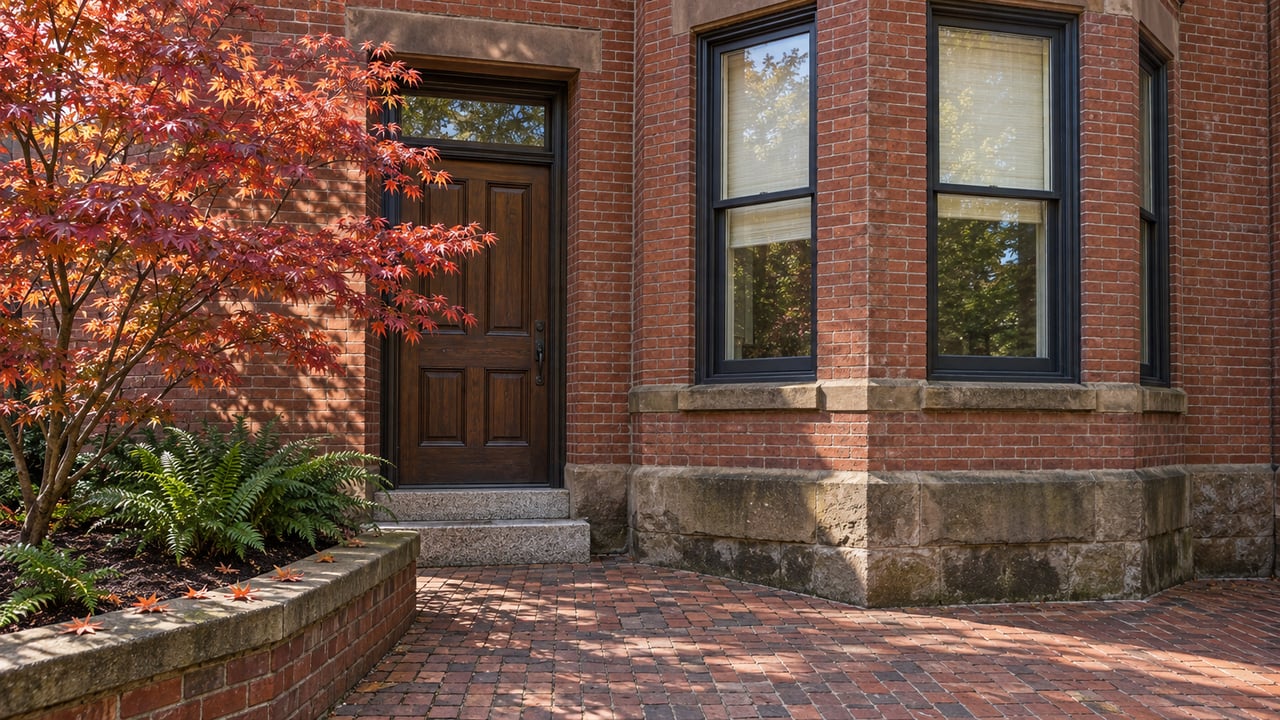
The great majority of the North End's housing stock lives in brick tenements and rowhouses built in the late 1800s and early 1900s. At the $650,000 to $750,000 band, MLS PIN data pulled at the end of March 2026 shows a median living area of only 700 square feet, a median list price of $649,000, a median sale price of $619,000, and a median $/sf of $849. Median days on market: 57. Median days to offer: 30.
What that buys is a one-bedroom or compact two-bedroom in a four- to six-unit self-managed association, typically without an elevator, often without in-unit laundry, almost never with parking, and frequently with a shared roof deck as the primary amenity. The finishes vary from developer-grade renovation to genuinely elevated brick-and-beam interior work. The carry is low. The exit depends on comparable condition at the moment of sale, because there is no doorman or amenity stack to smooth the perception of value.
The Boutique Elevator and Loft Tier
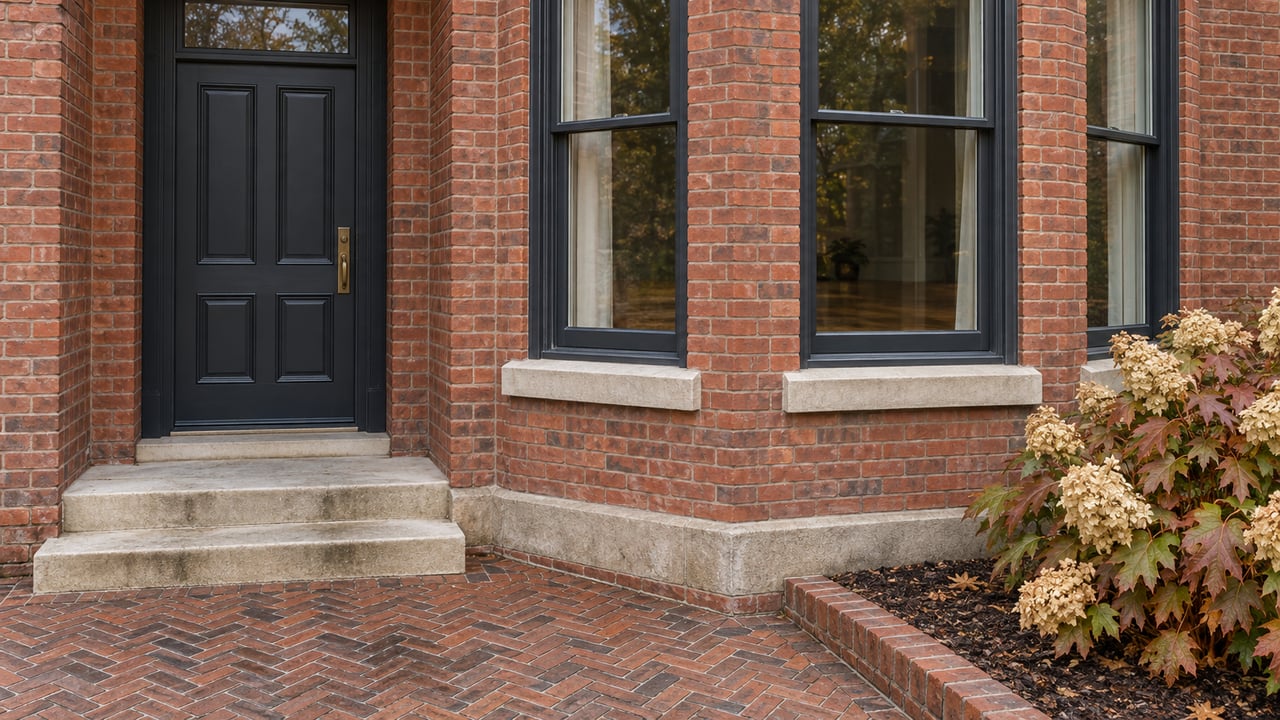
A smaller set of buildings sits between the walk-ups and the wharves. The McLauthlin Elevator Building on Fulton Street, New England's oldest cast-iron building, holds oversized lofts with original multi-paned windows. The Waitt & Bond Cigar Factory conversion delivers 1,300-square-foot units with 11-foot ceilings. Newer developer product has landed at Palazzo 51, 14 N Bennet, and The Chrysanthemum on Salem Street, all boutique buildings of four to six units with elevator, and in several cases direct-access garage parking.
These trade at a premium per square foot to the walk-ups, sometimes rivaling wharf-tier pricing, because they combine the walk-up's residential quiet with the wharf's convenience stack. Inventory is thin. The most recent boutique closings have shown list-to-sale ratios above 98 percent.
The Wharf and Full-Service Tier
Lewis Wharf, Battery Wharf, Burroughs Wharf, Lincoln Wharf, the Prince Building, Union Wharf, and the Mariner Condominium form the top of the market. These are converted 19th-century warehouses and purpose-built waterfront residential buildings, most with 24-hour concierge, garage or valet parking, gym, and direct Harborwalk access. Battery Wharf sits inside the InterContinental-adjacent hospitality footprint, with residents drawing on hotel-style service including Exhale Spa, valet, and seasonal water taxi. Burroughs Wharf, 69 homes across two buildings with single-level, duplex, and triplex layouts, sits at the more residential end of the tier. Redfin data for the North End/Waterfront submarket in mid-2026 shows 45 condos listed at a median of $1.32 million.
Wharf tier buyers are effectively buying two products at once: a residence and a subscription to a serviced building. The monthly HOA reflects that, and the resale story reflects it too, because the amenity stack holds value across cycles in a way that walk-up finish work does not.
Why the Headline Average Dropped $118,000 Without Anyone Cutting a Price
Joe Wolvek at Gibson Sotheby's tracks a running condo report on MLS PIN transactions. His year-to-date figures as of June 2, 2026 show an average sale price of $838,000 across 15 closed North End condo sales, versus $956,000 across the same window a year earlier. Read that number alone and it looks like a soft market.
Then read the ratio. Condos sold at 97.2 percent of list price this year, against 98.0 percent last year. Months of supply sat at 4.7, still inside seller-favored territory below six. Days to offer averaged 64.
Prices did not fall. The mix shifted. Fewer wharf-tier and boutique-tier sales closed in the first half of 2026, and more walk-up sales closed. When a $2.4 million wharf closing drops out of the numerator and a $675,000 walk-up drops in, the average moves regardless of what the market did to any individual unit's value. This is the single most misread number in the North End right now, and it is the reason the neighborhood looks weaker on the surface than it is trading in practice.
The rate environment supports that read. The 30-year fixed averaged 6.47 percent the week of June 18, 2026 per Freddie Mac's PMMS, down from 6.81 percent a year earlier. Greater Boston condo medians reported by GBAR moved from $732,000 in April 2025 to $750,000 in April 2026. The condo market broadly is stable to slightly up. The North End is not the exception. It is a neighborhood where the composition of what closes matters more than the trend line.
What Your Money Buys This Summer
Working from current inventory, three snapshots of what roughly the same dollar delivers across the three tiers:
- Around $700,000. A one-bedroom walk-up on a side street off Hanover or Salem, roughly 650 to 800 square feet, brick-and-beam interior, no parking, HOA in the $250 to $400 range, self-managed association. In a well-condition unit, expect two offers within 30 to 60 days.
- Around $1.1 million. Either a two-bedroom in a boutique elevator building at 44 Prince or a comparable mid-block conversion, or a one-bedroom at Lincoln Wharf with harbor access, elevator, and full HOA coverage. The wharf option comes with parking availability and a bigger amenity envelope. The boutique option comes with more character and lower monthly carry.
- $1.5 million and up. Two-bedroom at Battery Wharf, Union Wharf, or Burroughs Wharf, generally with deeded or valet parking, concierge, gym, and direct waterfront access. Full-service HOA in the four figures monthly. Slower absorption in the current window but a resale profile that has held up across every rate cycle since these buildings were converted.
The Investor Read
For buyers evaluating a North End condo as a rental hold, the underlying rent data tells the same three-market story. Boston Pads' June 2026 report puts the neighborhood's average rent at $3,685 with a year-over-year gain of 1.10 percent and a two-year gain of 5.95 percent. Zumper's May 2026 read has one-bedrooms at $2,800 and two-bedrooms at $3,600. Real-time vacancy sits at 0.53 percent, up from 0.23 percent a year earlier, still structurally tight.
Walk-up tier yields pencil at higher gross cap rates because the acquisition price is lower and the HOA is thinner. Wharf tier yields compress under the weight of the amenity fee, but the tenant profile stabilizes: corporate relocations, sabbatical academics, and buyers renting-to-decide before committing to a purchase.
FAQ
Should the higher HOA at a wharf building be treated as a negative? Not on its own. A $900 HOA that covers heat, water, air conditioning, doorman, gym, and building insurance frequently underprices what those line items would cost separately in a walk-up. Compare on total monthly cost, not on HOA alone.
How much of a premium does deeded parking add inside the same building? The commonly cited figure for downtown Boston is around 15 percent, though it varies with how scarce spaces are in the specific building and whether the space is deeded or a revocable license. Deeded parking is recorded with the unit deed and transfers with the property. A leased or association-controlled space is a contract that can change, and lenders often treat it differently in appraisal.
Are walk-up condos a weaker resale asset? Not inherently. Walk-ups with genuine period detail, correct floor plans for the era, and healthy associations trade briskly. The risk is not the walk-up form. It is under-reserved, self-managed buildings where a roof or facade project surfaces as a mid-five-figure assessment. The condo documents tell you which is which before you write the offer.
If you are weighing a North End purchase against Back Bay, the Seaport, or the South End, the specific building you buy matters more than the neighborhood label the search returned. Georgia Balafas works North End sellers and buyers across all three tiers and can walk through the condo documents, reserve position, and mix-shift context for any specific address you are considering.
Request Your Home Valuation