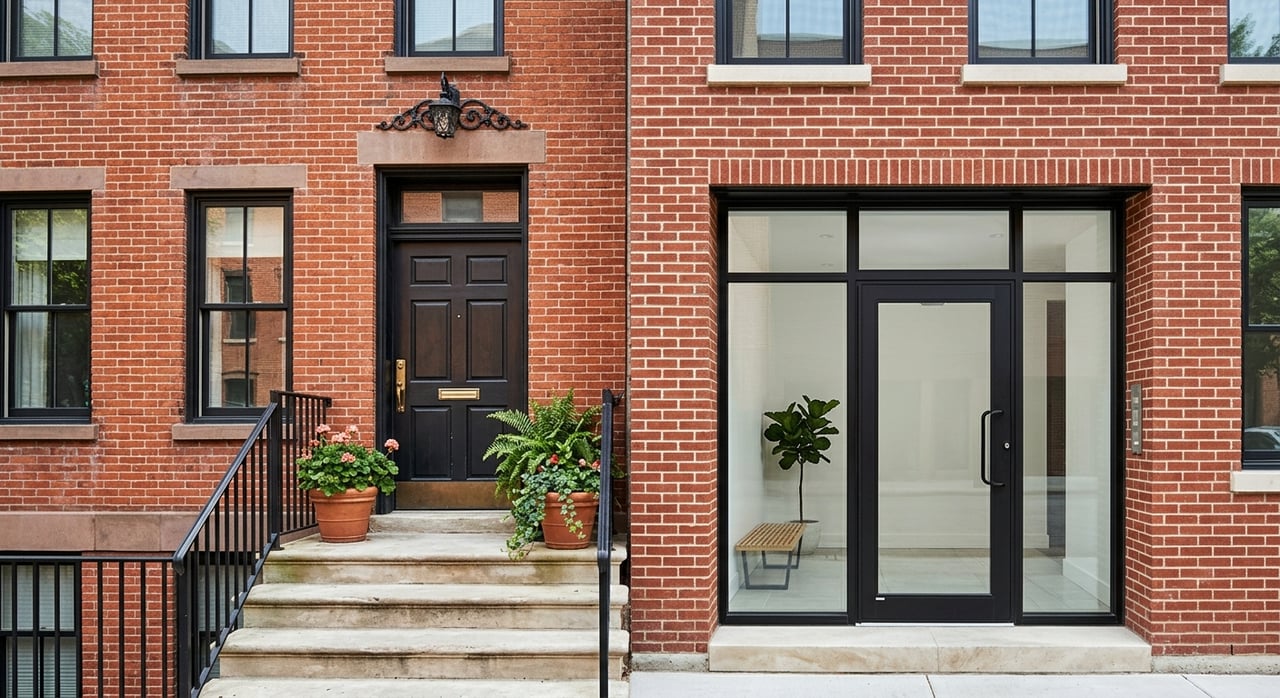
Trying to choose between a Beacon Hill row house and a condo? At first glance, the answer can seem simple: one feels more private, the other feels easier to manage. But in Beacon Hill, the real difference often comes down to how you own the property, what you are responsible for, and how historic district rules shape daily life. If you want to make a smart move in one of Boston’s most distinctive neighborhoods, this guide will help you compare both options with more clarity. Let’s dive in.
Why Beacon Hill Is Different
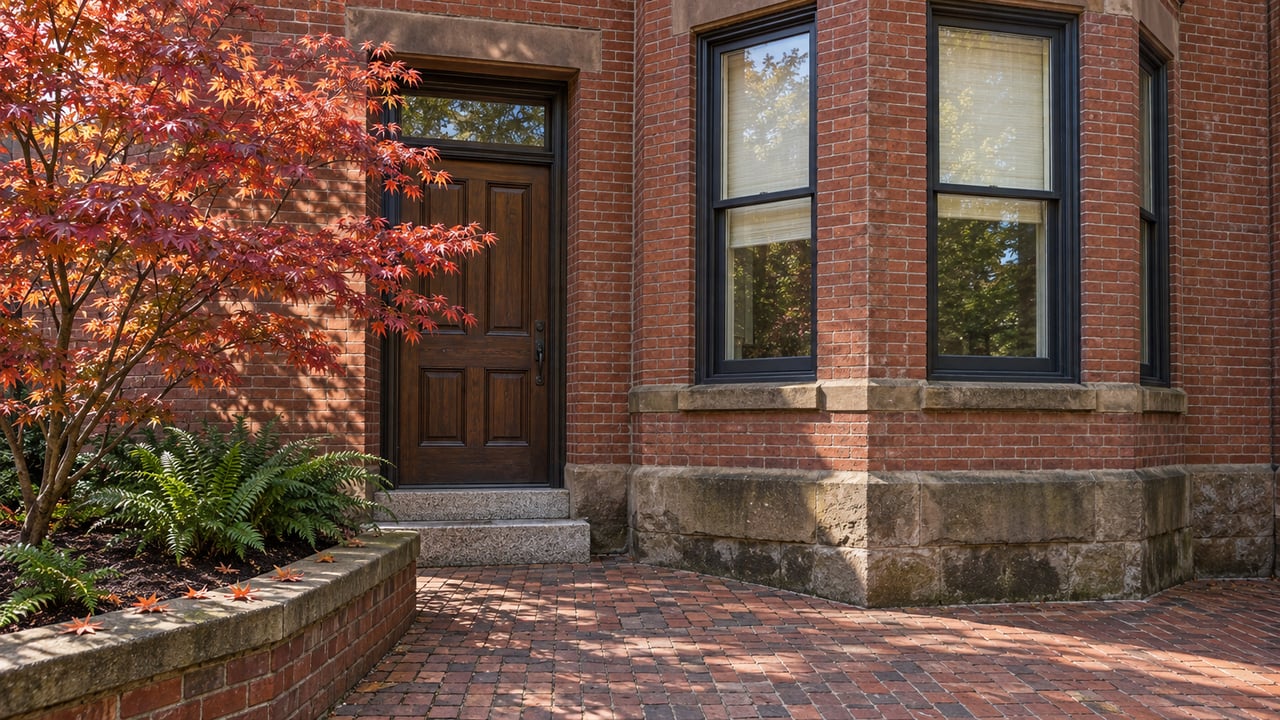
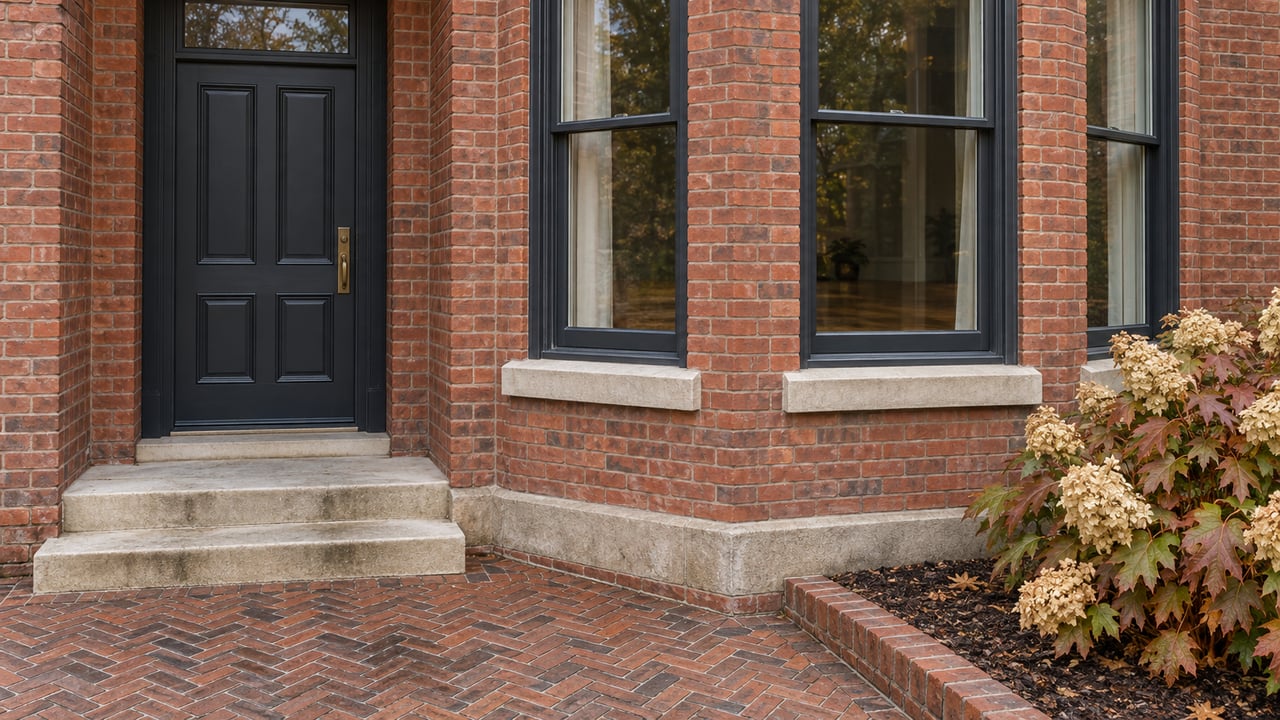
Beacon Hill is not just another Boston neighborhood. It is one of the city’s oldest protected historic districts, known for its brick row houses, narrow streets, brick sidewalks, gas lamps, and later-added apartment buildings, according to the City of Boston’s Historic Beacon Hill District overview.
That setting matters because your decision is not only about architecture or charm. In Beacon Hill, you also need to understand the legal structure behind the home. A classic brick façade might look like a single-family row house, but parts of historic buildings can also be divided into condominium units, so it is important to confirm the deed and condo documents rather than rely on appearance alone.
Row House vs Condo Basics
What a row house means
The National Park Service describes a rowhouse as a dwelling attached on one or more sides to another dwelling. It is most commonly a single-family residence and often has its own entrance and multiple stories.
In practical terms, that usually means you have more direct control over the property. You still share at least one wall with a neighboring home, but the ownership experience is generally more independent.
What a condo means
In Massachusetts, condo ownership is defined by a legal structure that includes individual units plus shared common areas, a master deed, and an owners’ association. Under Massachusetts condo law, common expenses are allocated among unit owners, and owners cannot waive those charges.
For you, that often means a more shared ownership model. You own your unit, but the building also operates through bylaws, common budgets, reserve funding, and association governance.
Ownership Responsibilities Compared
Row house responsibilities
With a true row house, you typically take on more of the upkeep yourself. That can include repairs, insurance decisions, and long-term planning for the building.
In Beacon Hill, that responsibility comes with another layer. The Beacon Hill Architectural Commission guidelines state that exterior work visible from a public way requires review, and owners should not begin work before approval. The guidelines also note that original materials should be repaired when possible, replacements should match existing materials, new façade openings are not allowed, and visible roof decks or deck enclosures are considered inappropriate.
Condo responsibilities
Condo ownership usually shifts some building responsibilities to the association. Massachusetts law requires bylaws to address maintenance, repair, replacement of common areas, fee collection, management, and rules.
That structure can make ownership feel more predictable. Instead of handling every exterior or building-level issue on your own, you are typically contributing through monthly common charges and relying on the association’s process.
Fees, Insurance, and Ongoing Costs
Condo fees and shared costs
One of the biggest differences is how costs show up in your budget. In a condo, common expenses and reserve funding are built into the ownership structure under Massachusetts law.
That does not always mean lower costs. It means costs are often packaged differently, with monthly common charges helping cover shared maintenance, repairs, and reserves.
Row house costs and direct ownership
With a row house, you may avoid monthly condo fees, but that does not mean maintenance disappears. Instead, repair and replacement costs often fall more directly on you.
That can work well if you want more control and are comfortable planning for larger expenses over time. It may feel less predictable month to month, but more flexible if you prefer to manage the property on your own terms.
Insurance differences
Insurance is another key point. Mass.gov’s home insurance guidance explains that condo associations usually insure the building, including common walls and grounds, while the unit owner covers what the master policy does not.
For a house, homeowners insurance typically covers the dwelling and other structures. In older properties, there can also be added costs related to code or ordinance changes, which is especially relevant in a historic neighborhood like Beacon Hill.
Privacy, Control, and Daily Life
Why buyers choose row houses
A row house often appeals to buyers who want more privacy and a stronger sense of control. Because it is typically a self-contained dwelling with individual access, daily life can feel more independent.
If you value having fewer shared spaces and fewer layers of building governance, that can be a major advantage. You still need to respect historic district rules, but your ownership experience is generally more direct.
Why buyers choose condos
A condo often appeals to buyers who want less solo responsibility. The tradeoff is that you are usually living within a more structured framework, where common areas, maintenance, and administrative rules are managed by the organization of unit owners under Massachusetts condo law.
If you prefer a more managed ownership experience, that can be a better fit. You may have less autonomy, but you may also have fewer building-level tasks to coordinate on your own.
Historic Rules Affect Both Options
No matter which path you choose, Beacon Hill’s historic setting affects what you can change. The neighborhood’s preserved architecture is part of the appeal, but it also limits exterior alterations.
The City of Boston makes clear that exterior changes in the district are subject to review. So whether you own a single row house or a condo unit in a historic building, it is important to understand what requires approval before planning visible updates.
How To Decide Which Fits You Best
The best choice often comes down to your lifestyle, budget structure, and comfort with building responsibility.
A row house may fit you if:
- You want more independence in how you manage your home
- You are comfortable handling upkeep and larger repair planning
- You expect to stay long enough to justify occasional bigger maintenance costs
- You value having a self-contained home with individual access
A condo may fit you if:
- You prefer shared maintenance and a more structured ownership model
- You want common expenses and reserves built into monthly charges
- You are comfortable following association rules and bylaws
- You want less hands-on involvement with building management
Questions To Ask Before You Buy
Before you commit to either option in Beacon Hill, make sure you get clear answers to a few practical questions.
- What are the monthly common charges, if any?
- What does the master insurance policy cover?
- What maintenance is handled individually versus collectively?
- What exterior work would need historic district approval?
- How much control do you actually have over the space, inside and out?
These questions matter because the ownership experience in Beacon Hill can be very different from what the building exterior suggests.
The Bottom Line
In Beacon Hill, choosing between a row house and a condo is really about choosing how you want to own, maintain, and live in a historic property. A row house usually offers more privacy and control, but it also asks more of you in upkeep and planning. A condo often offers more shared responsibility and structure, but with less autonomy.
If you are weighing the tradeoffs and want a clear, strategic perspective on Beacon Hill real estate, Georgia Balafas can help you evaluate the details that matter most to your goals.
FAQs
What is the main difference between a Beacon Hill row house and a Beacon Hill condo?
- The main difference is legal ownership. A row house is usually a self-contained dwelling, while a condo is an individual unit within a condominium structure that includes shared common areas and an owners’ association.
Do Beacon Hill condos usually have monthly fees?
- Yes. Massachusetts condo law requires common expenses to be allocated among unit owners, so condo owners typically pay monthly common charges that help cover shared costs and reserves.
Do Beacon Hill row houses have more maintenance responsibility?
- Yes. A true row house generally places more repair, upkeep, and insurance responsibility on the individual owner.
Do exterior changes in Beacon Hill need approval?
- Yes. In the Historic Beacon Hill District, exterior work visible from a public way is subject to review by the Beacon Hill Architectural Commission.
Is a Beacon Hill condo easier to manage than a row house?
- It can be. A condo often involves shared maintenance and building management through the association, while a row house usually requires more direct owner oversight.
Can a historic Beacon Hill building look like a row house but actually be a condo?
- Yes. Some historic buildings have been adapted into condominium units, so you should verify the deed and condo documents instead of assuming the ownership type based on the exterior alone.