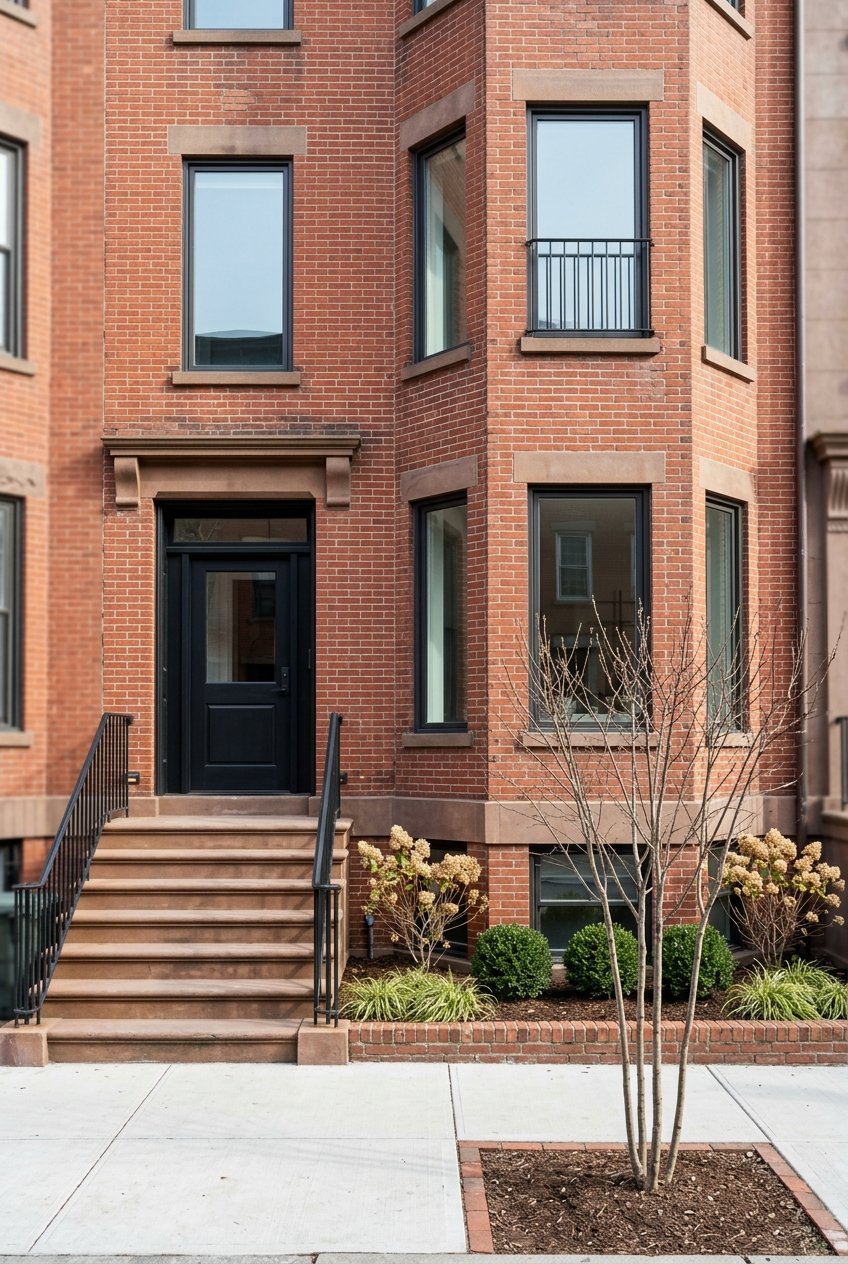
Selling a Back Bay brownstone is not like selling a typical Boston home. In this market, buyers are weighing architecture, history, presentation, and pricing all at once, and many will form their first impression online before they ever schedule a showing. If you want to maximize interest and protect value, you need a launch plan that highlights what makes your property special while respecting the realities of Back Bay’s historic district. Let’s dive in.
Understand the Back Bay advantage
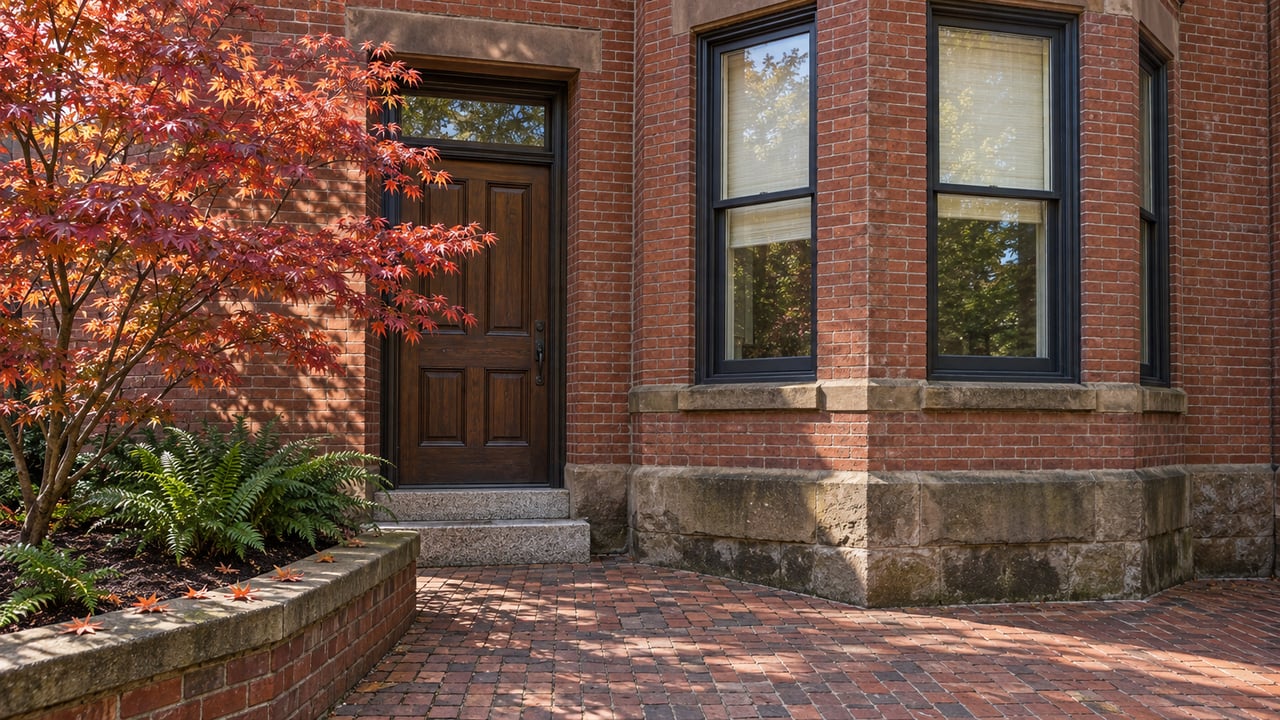
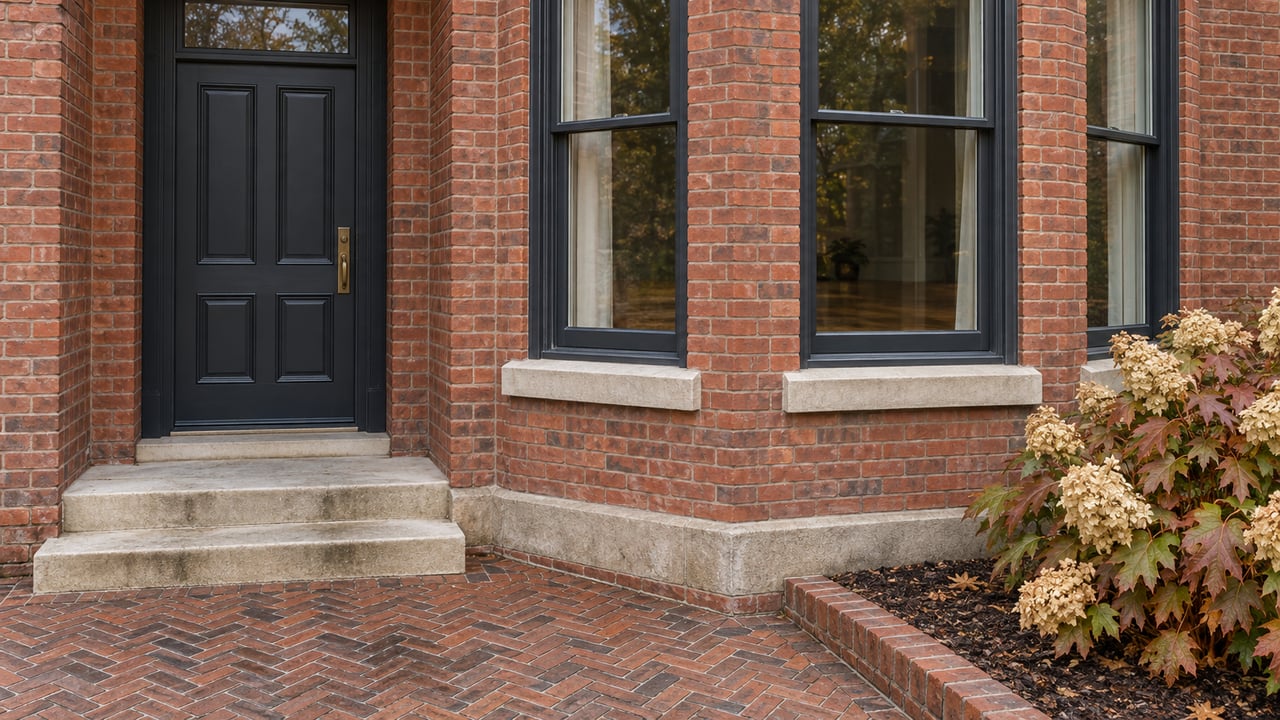
Back Bay is one of Boston’s best-known luxury neighborhoods and a protected historic district. The City of Boston describes it as an area shaped by elegant architecture, brick sidewalks, Victorian row houses, and major corridors like Newbury Street and Boylston Street, which all add to its identity and appeal. In practical terms, that means your home is being judged not only as a residence, but also as an architectural asset in a highly recognizable setting. You can learn more from the City of Boston’s Back Bay neighborhood overview.
That identity can work strongly in your favor, but it also raises the bar. Buyers in this segment tend to expect thoughtful presentation, strong visuals, and pricing that reflects the property type and current comp set. A broad market headline is not enough, especially in a neighborhood where layouts, condition, scale, and historic detail can vary widely from one property to the next.
Price with current Back Bay comps
Back Bay remains a high-priced market, but it is also a selective one. A recent Back Bay market update reported a median sales price of $1.26 million in Q4 2025, average days on market of 75, and 14.5% of closed sales above $5 million. Separate condo reports cited in the same research placed Back Bay condos around $1.46 million to $1.62 million, with marketing times ranging from roughly 42 to 48.5 days depending on the reporting window.
Those figures are useful for context, but they should not be used as a shortcut. Your pricing strategy should be based on recent comparable sales that match your property type, scale, condition, and features as closely as possible. For a Back Bay brownstone, that may include details such as private outdoor space, parking, elevator access, level of renovation, and preserved historic elements.
Respect historic district rules
Back Bay’s historic status matters before your listing even goes live. According to the Back Bay Architectural District, proposed exterior work must be approved before it begins, and the district guidelines emphasize maintaining and repairing historic materials and features rather than replacing them. The city also notes that brownstone may require special treatment involving materials and coatings.
That has a direct impact on pre-sale preparation. If you are thinking about exterior improvements, last-minute overhauls can create risk, delays, or both. In many cases, the smarter move is to focus on approved repairs, deep cleaning, and presentation instead of aggressive exterior changes right before launch.
Focus on preservation-minded prep
For many sellers, the best pre-listing work is disciplined and practical. You want your home to look cared for, consistent, and ready for photography and showings without creating avoidable complications.
That often means prioritizing:
- approved exterior repairs
- gentle cleaning methods for masonry and historic surfaces
- interior touch-ups that do not distract from original character
- maintenance items that improve function and buyer confidence
- a clean, polished presentation at the front entry and common approach
Stage to highlight the architecture
In a Back Bay brownstone, staging should support the home’s architecture, not compete with it. The National Association of Realtors’ 2025 staging survey found that 83% of buyers’ agents said staging makes it easier for buyers to visualize a property as a future home. The same report found that the most important rooms to stage were the living room, primary bedroom, and kitchen.
The survey also found that 17% of buyers’ agents said staging increased the dollar value offered by 1% to 5% compared with similar unstaged homes. On the seller side, photos, videos, and physical staging were major decision points, and the median staging spend was $1,500 when a staging service was used. For a Back Bay home, those findings support a polished, restrained approach that helps buyers notice the right things.
What buyers should notice first
In this setting, your staging plan should draw attention to the features that make a brownstone memorable. Think high ceilings, bay windows, millwork, staircases, fireplaces, and historic trim. Furniture, art, and accessories should frame those details rather than dominate them.
A strong staging strategy often does three things well:
- creates clear sight lines through the main entertaining spaces
- keeps the scale of furniture in proportion to the architecture
- uses a calm visual palette so natural light and original detail stand out
Build a digital-first listing package
For many buyers, the first showing happens on a screen. The NAR 2024 buyer survey found that 43% of buyers started their search online, 69% used a mobile or tablet device, and 51% found the home they purchased through internet search. The same survey showed that photos, detailed property information, and floor plans were among the most useful website features.
That matters even more in Back Bay, where buyers may compare multiple high-end listings quickly and make assumptions based on presentation quality. If your online package feels incomplete, generic, or poorly produced, you may lose attention before a buyer ever books a tour. Strong digital assets are not a luxury add-on here. They are part of the core marketing strategy.
Include the essentials
A high-impact brownstone listing should aim to include:
- professional photography
- a clear floor plan
- video or a virtual tour when possible
- detailed, fact-based property information
- listing copy that explains layout, condition, and standout features clearly
The 2025 staging report reinforces this point by showing that photos, physical staging, videos, and virtual tours all matter to buyers’ agents, and that 31% said buyers were more willing to walk through a home they saw online.
Write listing copy with specifics
Generic luxury language will not do much for a Back Bay brownstone. Buyers are looking for real information they can use to compare one property against another. The listing description should translate architectural character into concrete benefits and set accurate expectations from the start.
That means your marketing copy should speak clearly to items such as preserved historic detail, natural light, ceiling height, room flow, renovation dates, outdoor space, parking, storage, elevator access if relevant, and any property constraints that a buyer should understand. Given the neighborhood’s architectural character and buyer search behavior, detail-rich copy is especially important in Back Bay, as reflected in the broader Back Bay planning context.
Distribute beyond the MLS
A Back Bay brownstone needs more than a basic MLS entry. NAR quick statistics show that 73% of sales agents have their own website, 82% feature listings there, 77% use Facebook, and 55% use LinkedIn for professional purposes. Those numbers support a distribution plan that uses multiple channels instead of relying on just one. See the NAR field guide to quick real estate statistics for the broader context.
For a luxury seller, that usually means your listing should be supported by brokerage channels, the agent’s website, targeted email outreach to cooperating agents, and strategic social or video placement. The goal is not to market everywhere in a noisy way. The goal is to create a coordinated launch that meets serious buyers where they are already looking.
Ask your agent the right questions
The right listing strategy starts with the right conversation. The NAR 2024 seller survey found that sellers’ top priorities were help marketing the home, pricing competitively, and selling within a specific timeframe. In that same report, 90% of sellers used a real estate agent.
If you are choosing representation for a Back Bay brownstone, you should expect a clear plan, not vague promises. A strong agent should be able to explain how they are pricing the property, how they will prepare it for market, what assets they will produce, and how they will respond if the first few weeks are quieter than expected.
Questions worth asking
Here are a few useful questions to bring into a listing consultation:
- Which recent Back Bay comps are you using for my property type?
- What staging plan do you recommend for this home?
- What photography, video, and floor-plan assets will be included?
- How will you distribute the listing beyond the MLS?
- What changes would you make if showing traffic or online engagement starts slowly?
Why strategy matters in Back Bay
Back Bay buyers are not just shopping for square footage. They are evaluating setting, architecture, condition, and presentation as a package. That is why the most effective marketing plans tend to be disciplined, design-aware, and grounded in current data rather than broad assumptions.
If you are preparing to sell, the opportunity is to position your brownstone so buyers immediately understand its value. That takes thoughtful pricing, presentation that elevates the architecture, strong digital assets, and a distribution plan built for the property’s price point and audience. If you want a tailored strategy for your Back Bay sale, Georgia Balafas can help you build a smart, marketing-first plan around your home and your timing.
FAQs
What makes marketing a Back Bay brownstone different from marketing a typical Boston home?
- A Back Bay brownstone is marketed as both a residence and an architectural asset, so pricing, presentation, historic-district considerations, and digital marketing all carry extra weight.
How important is staging for a Back Bay brownstone sale?
- Staging can be very important because it helps buyers visualize the home, and in a brownstone it should highlight features like ceiling height, windows, millwork, and layout rather than distract from them.
Do historic district rules affect preparing a Back Bay home for sale?
- Yes. The Back Bay Architectural District requires approval for proposed exterior work before it begins, so sellers should be careful about exterior updates and focus on approved repairs and presentation.
What online marketing assets matter most for a Back Bay listing?
- Professional photos, detailed property information, a floor plan, and video or a virtual tour are especially valuable because many buyers begin their search online and compare listings quickly.
How should a Back Bay brownstone be priced before listing?
- It should be priced using current comparable sales that closely match the property type, condition, layout, and features, rather than relying only on broad neighborhood averages.
What should you ask a Back Bay listing agent before hiring them?
- Ask about the comp set, staging plan, photography and video assets, distribution strategy beyond the MLS, and how they would adjust pricing or presentation if early buyer response is slower than expected.