If you only know Boston’s North End for pasta, pastry, and packed sidewalks on a Saturday night, you are only seeing part of the picture. For the people who live here, the neighborhood is also compact, deeply residential, and shaped by routines that happen far beyond restaurant tables. If you are wondering what daily life in the North End really feels like, this guide will help you look past the visitor experience and understand the rhythm of the neighborhood. Let’s dive in.
North End Living Starts With Walkability
One of the clearest things about living in the North End is how much of your day can happen on foot. Boston Planning describes it as Boston’s oldest residential community, and the neighborhood’s narrow streets and historic scale still shape how people move through it today.
The street layout is a big reason why the area feels so distinct. According to a Boston Transportation Department neighborhood profile, there are no major through streets crossing the North End, and Hanover Street serves as the commercial heart. That same profile found that 94% of within-neighborhood trips were made on foot.
For you as a resident, that changes the feel of everyday life. Instead of depending on long drives or wide commercial corridors, you are moving through a close-knit street grid lined with brick buildings, local storefronts, and familiar corners.
A Neighborhood Built on Daily Convenience
Hanover and Salem Streets act as the main commercial spines, according to Boston Planning. Along those corridors and nearby side streets, you will find shops, bakeries, apparel boutiques, home furnishing stores, and other local businesses.
That mix matters because it supports a lifestyle that feels layered and local. You are not just coming here for dinner reservations. You are living in a place where small errands, casual walks, and neighborhood routines can all happen within a compact footprint.
Daily Life Goes Beyond Dining
The North End may be one of Boston’s most visited neighborhoods, but city resources make it clear that it functions as a lived-in community as much as a destination. That is an important distinction if you are considering a move here.
Boston.gov points to old-world cafes, neighborhood shops, the North End Branch Library, BCYF Nazzaro, and a new community center being built beside Mirabella Pool. Together, those places help anchor weekday life in a way that goes far beyond tourism.
The Library Adds Everyday Utility
The North End Branch Library is one of the neighborhood’s strongest everyday assets. Boston Public Library says the branch offers community space, homework help, and world-language collections in Italian and Spanish.
For residents, that means the library is not just a quiet building on the map. It is part of the neighborhood’s regular rhythm, offering useful services and a gathering space that supports day-to-day living.
BCYF Nazzaro Supports All-Ages Activity
BCYF Nazzaro adds another layer of practical neighborhood life. The center includes a gymnasium, fitness center, senior center, and teen center.
If you are trying to picture real life in the North End, places like this matter as much as any dining scene. They show how the neighborhood serves residents across different life stages and daily routines.
The Waterfront Shapes the Neighborhood
One of the best parts of North End living is that the waterfront is not separate from the neighborhood experience. It is part of how people walk, relax, and spend time outdoors.
Boston Harbor Now describes the Harborwalk as a near-continuous 43-mile linear park that passes through the North End. That means waterfront access is woven into the neighborhood rather than reserved for occasional outings.
Parks and Recreation Feel Close at Hand
Boston’s Resilient Boston Harbor plan says Christopher Columbus Park and Langone/Puopolo Park are being designed as resilient, accessible waterfront parks that connect to the Greenway and help protect the neighborhood from flooding. For residents, that is significant because these spaces do more than frame the harbor. They also support access, recreation, and long-term neighborhood resilience.
Boston.gov notes that the waterfront includes a skating rink, baseball fields, and Mirabella Pool. The pool operates from June through September and is one of only two BCYF outdoor swimming facilities.
Seasons Bring a Different Energy
The North End’s rhythm changes with the time of year. In summer, the area becomes especially active, with North End religious feasts running from the first Sunday in June through the second Sunday in September, according to Boston.gov.
Other seasonal traditions also shape the neighborhood calendar. Fall brings the Christopher Columbus Park trellis lighting, and spring brings the Patriots’ Day Parade to Paul Revere Mall. If you live here, those events become part of the backdrop of the year rather than one-time attractions.
Housing in the North End Is Historic and Compact
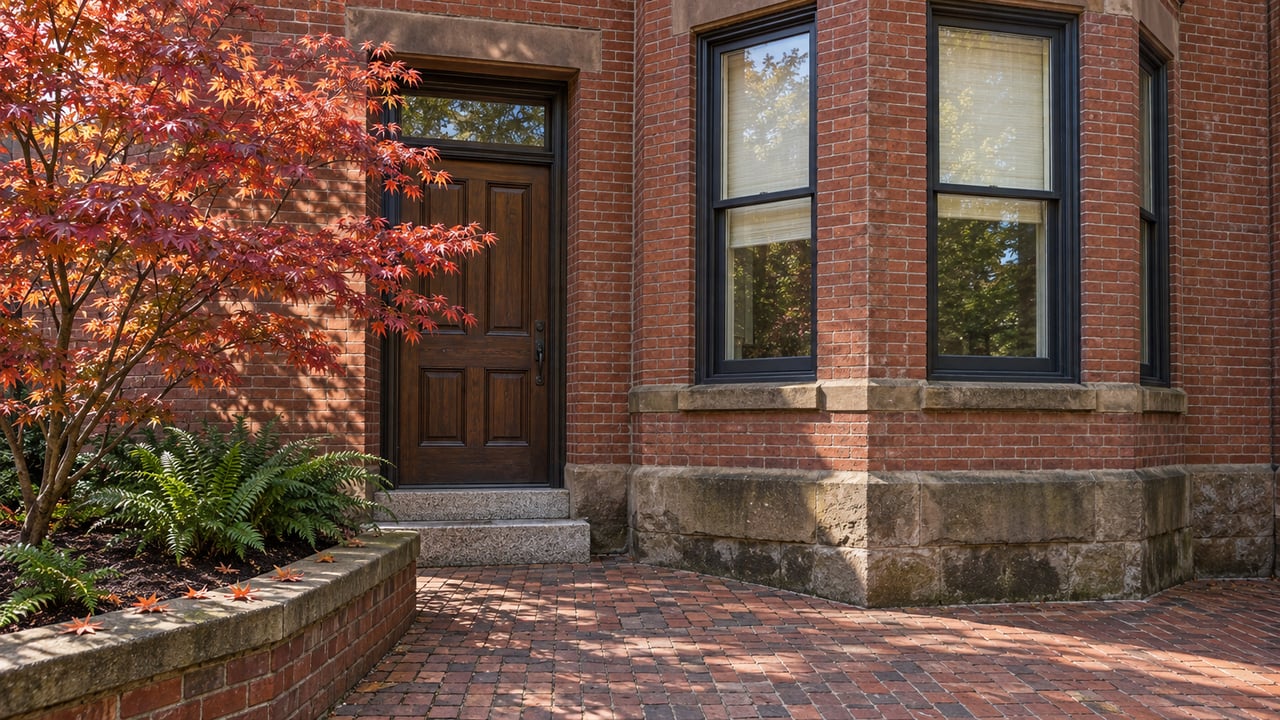
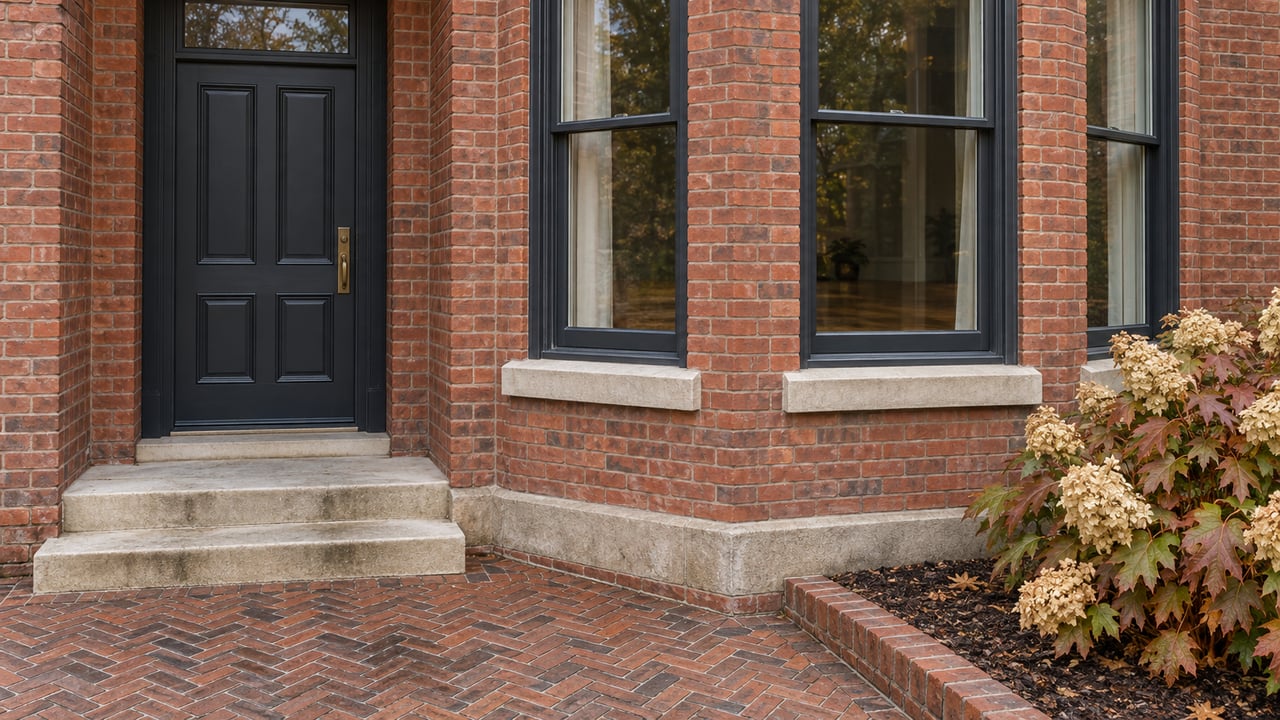
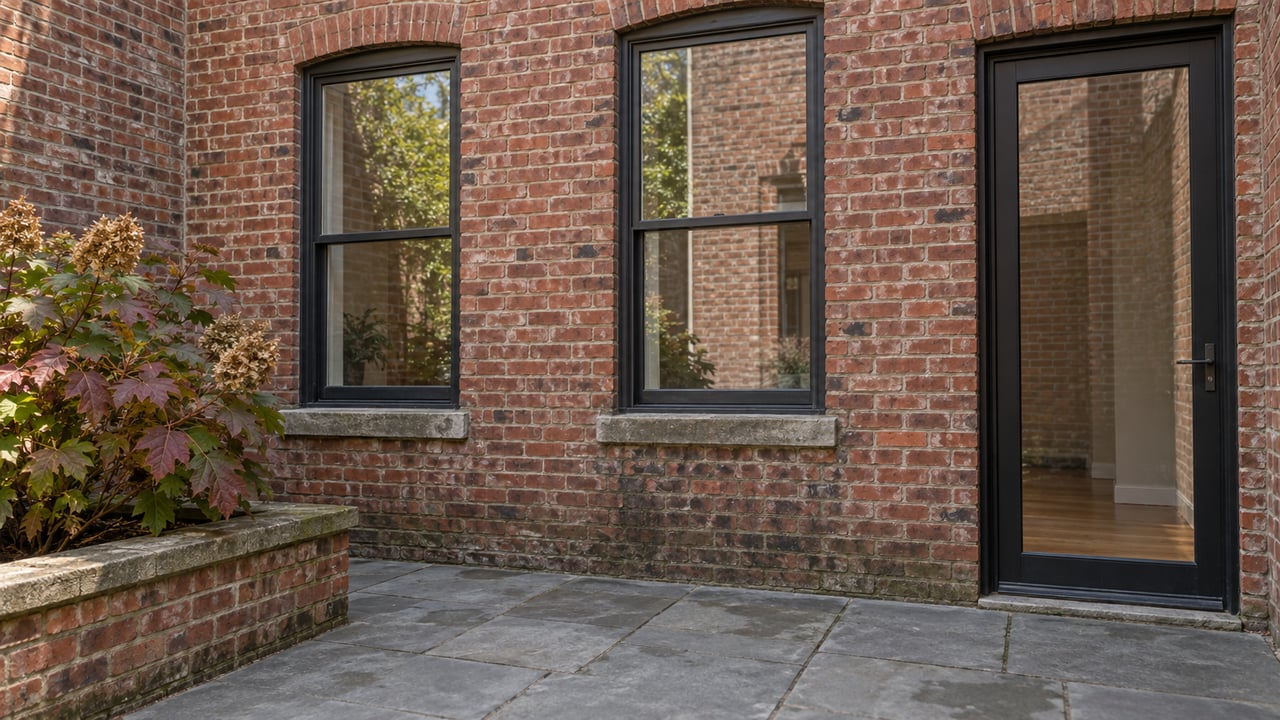
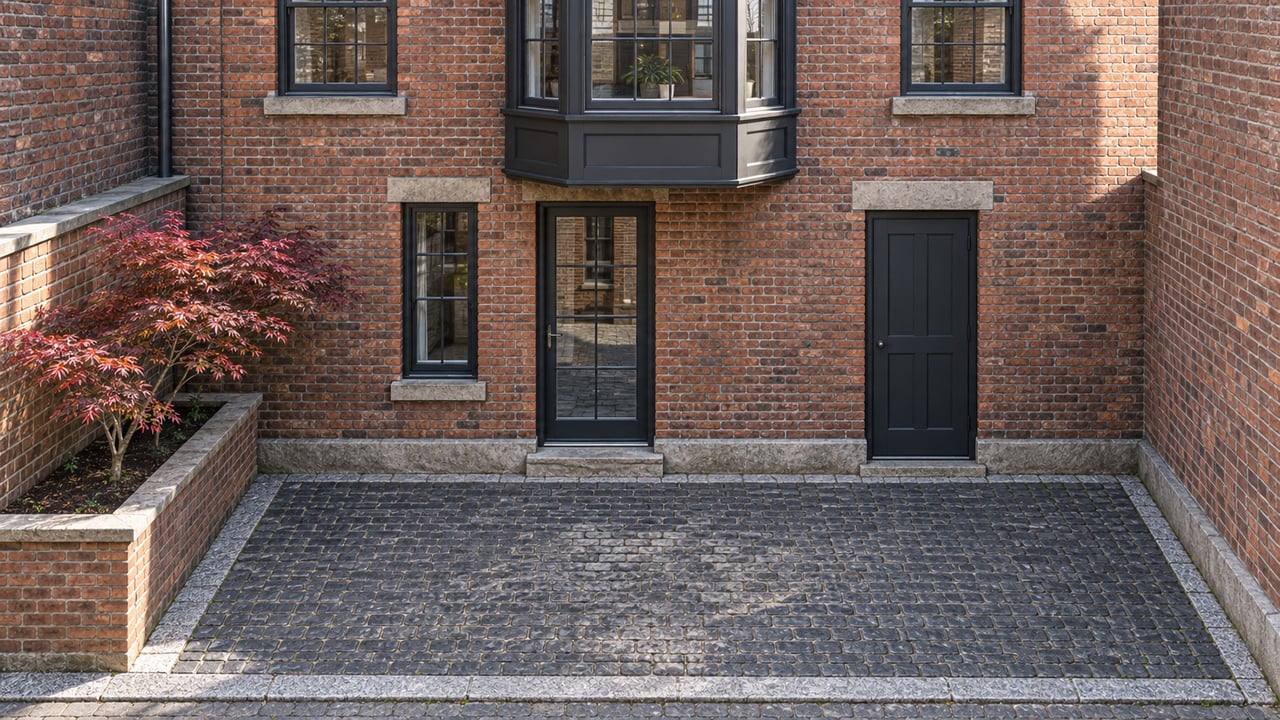
If you are home shopping in the North End, it helps to know that the housing stock looks very different from neighborhoods built around larger lots or newer subdivisions. Boston Planning describes historic brick apartment buildings and narrow cobblestone streets, which reflects the area’s long history and dense urban form.
In practical terms, you are far more likely to encounter condos, mixed-use buildings, and converted historic properties than large standalone homes. That housing pattern is part of what gives the North End its character, but it also shapes what buyers should expect when they start their search.
Older Buildings Tell the Story
The neighborhood has a long history of adapting existing structures instead of replacing them wholesale. Boston Archaeology’s page on the Clough House notes that it is a rare surviving brick row house and that it was converted into apartments in 1806.
That detail offers a useful clue about the North End’s housing story. Over time, buildings here have often been repurposed and layered into the neighborhood’s residential fabric rather than rebuilt into a completely new form.
What Buyers Often Find Today
Modern planning records show the same pattern continuing. Boston planning documents reference condo conversions such as 440 Commercial Street, and the 123 North Washington Street project will convert a five-story office building into 45 new homes with ground-floor retail.
For you as a buyer, that often translates into homes inside older masonry buildings, residential units above commercial space, and a dense street grid where history and housing are closely tied together. If you are drawn to charm, walkability, and an urban setting, that can be a major part of the appeal.
The North End’s Identity Runs Deeper Than Food
It is impossible to talk about the North End without mentioning food, but the neighborhood’s identity reaches much further back. The Paul Revere House notes that the North End was one of colonial Boston’s three original neighborhoods, and its population later shifted through Irish, Jewish, and Italian settlement waves.
Boston.gov still describes the North End as a hub for the city’s Italian-American community. That layered history helps explain why the neighborhood feels so rooted and distinct even as it continues to evolve.
History Is Part of the Everyday Streetscape
In the North End, history is not tucked away in a single landmark. It appears in the places residents pass every day, including Old North Church, the Paul Revere House, Copp’s Hill Burying Ground, the library, waterfront parks, and the neighborhood’s narrow streets.
That combination gives the area a rare sense of continuity. You are living in a neighborhood that functions as both a major destination and a real residential community, with daily life unfolding alongside some of Boston’s most recognizable historic places.
What It Really Feels Like to Live Here
Living in the North End means accepting that you are in one of Boston’s most visited neighborhoods while also enjoying the benefits of a compact, highly walkable residential community. The appeal is not just what visitors see on Hanover Street. It is also the library, the community spaces, the harbor edge, the seasonal traditions, and the historic housing woven into the neighborhood fabric.
For the right buyer, that combination is exactly the point. If you want a neighborhood with old Boston character, easy walking access, waterfront connections, and a daily rhythm that extends beyond nightlife and dining, the North End offers a lifestyle that is richer and more residential than many people expect.
If you are considering a move in Boston and want help understanding how neighborhoods like the North End fit your goals, Georgia Balafas can help you navigate the options with local insight and a thoughtful, strategic approach.
FAQs
What is daily life in Boston’s North End like?
- Daily life in the North End is highly walkable and centered around neighborhood routines, with local shops, the library, community spaces, waterfront parks, and seasonal events all playing a role.
What kind of homes are common in Boston’s North End?
- Buyers in the North End are more likely to find condos, mixed-use buildings, and converted historic properties than large single-family homes.
Is Boston’s North End mainly a tourist area?
- The North End is one of Boston’s most visited neighborhoods, but city and planning sources also describe it as a long-established residential community with everyday amenities for residents.
Does Boston’s North End have waterfront access?
- Yes. The Harborwalk passes through the North End, and the neighborhood waterfront includes parks, recreation areas, a skating rink, baseball fields, and Mirabella Pool.
What makes Boston’s North End different from other Boston neighborhoods?
- The North End stands out for its historic residential character, dense walkable street grid, waterfront setting, layered history, and mix of daily community life alongside a well-known dining scene.