Wondering if buying in Charlestown means choosing between history and practicality? You do not have to. If you are drawn to brick row houses, waterfront views, and one of Boston’s most recognizable neighborhoods, it helps to understand how historic character, condo rules, inspections, and flood risk all shape the buying process. This guide will walk you through what to look for before you buy in Charlestown and how to approach the market with confidence. Let’s dive in.
Why Charlestown attracts buyers
Charlestown stands out because it combines deep Boston history with a compact waterfront setting. Boston identifies it as the city’s oldest neighborhood, located along Boston Harbor and the Mystic River, and the area’s long timeline still shapes how it looks and feels today.
For you as a buyer, that means the neighborhood is not defined by one housing style or one era of development. Instead, you will find a layered mix of older homes, adapted buildings, and newer residences, all within a relatively small urban footprint.
What Charlestown housing looks like
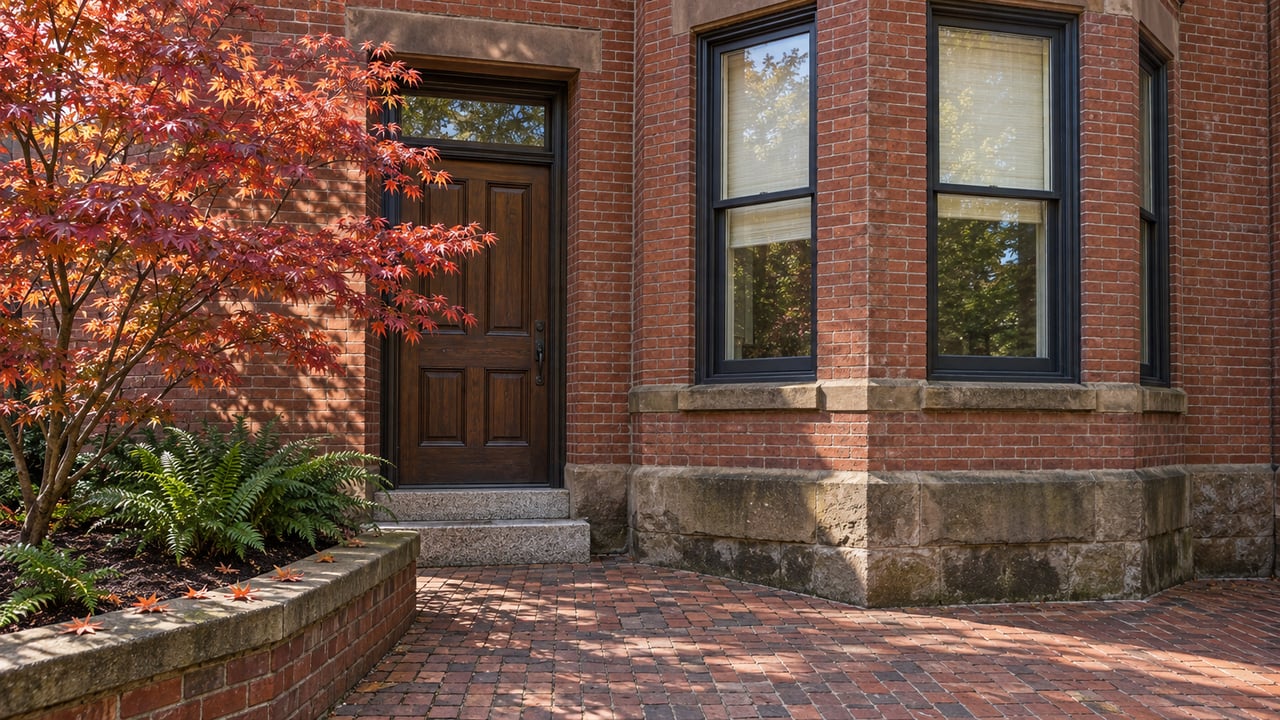
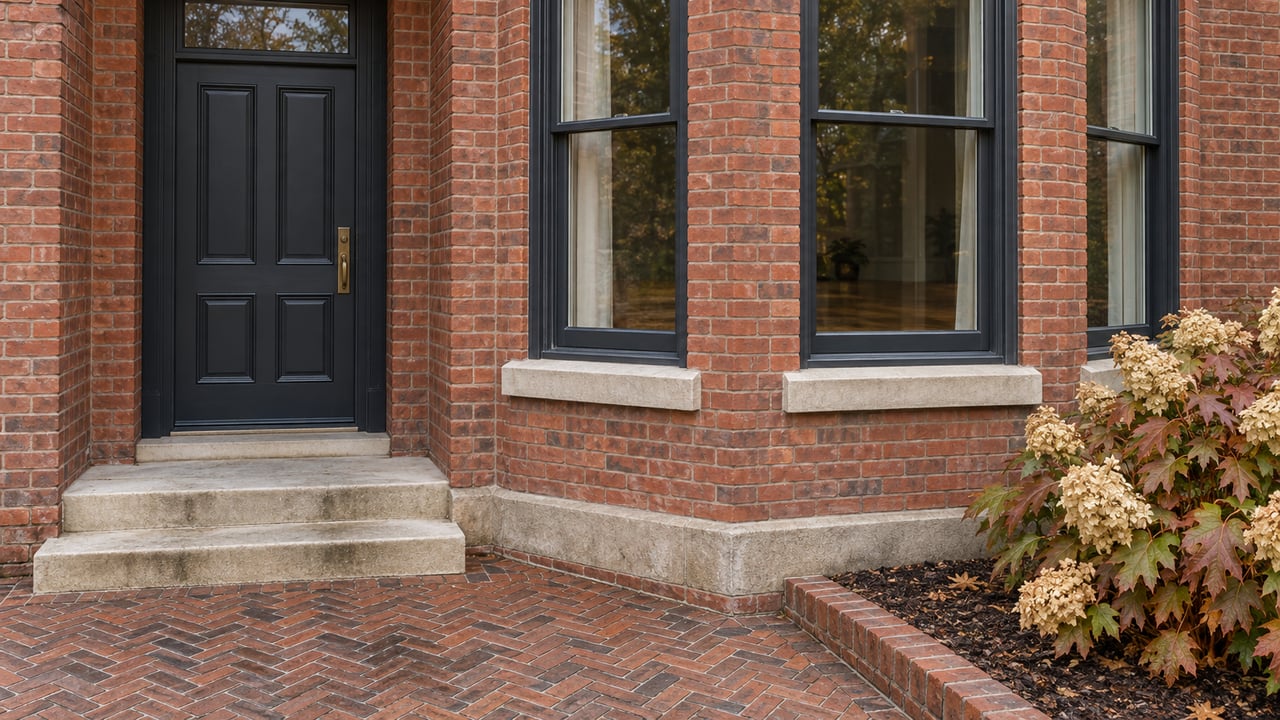
Boston describes Charlestown’s housing stock as a mix of brick and wood-framed row houses, along with waterfront condominiums and apartments. That variety is part of the appeal, especially if you want options beyond a standard condo building or a single architectural style.
Historic examples in and around the neighborhood include Federalist-style brick townhouses in the Charlestown Navy Yard and Greek Revival homes elsewhere in Charlestown. At the same time, newer infill and converted properties add another layer to the market.
Expect a mix of old and updated
Charlestown was largely destroyed in 1775 and later rebuilt, which helps explain why the neighborhood has a blend of historic character and later construction. In practical terms, you may see older masonry homes, 19th-century properties, renovated interiors, and more recent development within a few blocks.
That mix can be exciting, but it also means every property needs to be evaluated on its own merits. Two homes that look similar from the street may have very different layouts, systems, maintenance histories, and ownership structures.
How historic status can affect your plans
If you love the idea of owning a historic home, it is smart to pair that excitement with due diligence. Boston’s preservation materials show that Monument Square is under study for possible landmark-district designation, and the city’s process includes documenting historic, architectural, and archaeological significance before any final vote.
That matters if you hope to make visible exterior changes after closing. If you are thinking about updating windows, altering a façade, changing a roofline, or planning an addition, confirm the property’s current preservation status before you assume what is allowed.
Verify before you budget renovations
Historic review rules are not something you want to discover late in the process. Before you make plans based on future improvements, verify whether the parcel is currently subject to any preservation-related oversight.
This is especially important in a neighborhood where charm and scarcity often support value. A home’s historic setting may add appeal, but it can also shape the timeline, scope, and cost of exterior work.
What to know about the Massachusetts buying process
Buying in Charlestown also means buying in Massachusetts, where the transaction process has a few important features. Mass.gov states that buyers must receive a separate written disclosure affirming the right to a home inspection before or at the first purchase contract, and sellers cannot condition acceptance on a buyer waiving that right.
Massachusetts is also known for a lawyer-driven closing process. According to Mass.gov, the purchase and sale agreement is a legal document that is usually prepared and agreed to by buyer and seller attorneys, so your timeline after an accepted offer may feel more attorney-centered than in some other states.
Why inspections matter in Charlestown
In any market, inspections matter. In Charlestown, they can be especially important because the housing stock may include older roofs, masonry, foundations, and aging mechanical systems.
Massachusetts says a residential inspection covers readily accessible and observable components such as heating, cooling, plumbing, electrical, structural elements, foundation, roof, masonry, and interior and exterior conditions. It is still only a written evaluation of what is visible on the day of inspection, so it should be treated as a critical snapshot, not a guarantee.
Key items to review closely
When you are buying an older or historically styled property in Charlestown, pay close attention to:
- Roof condition and drainage
- Masonry and exterior envelope
- Foundation and structural movement
- Electrical and plumbing updates
- Heating and cooling systems
- Signs of water intrusion or deferred maintenance
A careful inspection helps you understand whether you are buying turnkey charm or taking on a bigger project than the listing suggests.
Lead paint is a real older-home consideration
If the home was built before 1978, lead should be part of your due diligence. Massachusetts states that homes built before 1978 may contain lead, and the state requires lead hazards to be removed or controlled when a child under 6 lives in the home.
This is particularly relevant in Charlestown because much of the housing stock predates 1978 by a wide margin. Massachusetts also provides a lead-history database for pre-1978 properties, which can help you gather more information before closing.
Condo or single-family: know the tradeoffs
Charlestown offers both condos and single-family homes, and the right fit depends on how you want to live and what responsibilities you are comfortable taking on. Condo ownership is especially common in waterfront and adaptive-reuse settings.
Massachusetts condos are governed through documents such as the master deed and bylaws, and Mass.gov notes that associations handle common areas, common expenses, reserve funds, meetings, voting rights, and certain insurance requirements. That means a condo purchase involves both the unit itself and the health of the association behind it.
What condo buyers should review
Before buying a condo in Charlestown, review:
- The master deed and bylaws
- Current budget and reserve funds
- Common expenses
- Special assessment history
- Insurance structure
- Rules affecting common areas or exterior changes
Massachusetts also explains that unit owners need coverage for what the association’s master policy does not cover. In some cases, association agreements may also allow additional assessments after a loss, so insurance and financial review are not minor details.
What single-family ownership changes
Single-family ownership often means fewer shared-governance layers. You may have more autonomy over decisions, but you also take on more direct responsibility for maintenance, repairs, and capital improvements.
In Charlestown, that can be especially important if you are buying an older home with masonry, roofing, or system updates that may require ongoing investment. The freedom can be appealing, but so is going in with clear expectations.
Waterfront appeal comes with flood questions
Charlestown’s waterfront setting is one of its biggest draws, but it also creates real ownership considerations. Boston’s climate resilience materials identify Charlestown as exposed to sea-level rise, coastal flooding, and riverine flooding, with vulnerable areas near the Charlestown Navy Yard, low-lying fill, and the Mystic River edge.
The city is already implementing mitigation work, including a deployable flood barrier on Charlestown Main Street expected to be completed in 2026. That is useful context, but it does not replace property-specific due diligence.
Check flood zone and insurance needs early
If you are considering a waterfront or low-lying property, confirm flood zone status before closing. FEMA states that flood insurance is separate from standard homeowners insurance, and most homeowners policies do not cover flood damage.
FEMA also notes that lenders often require flood insurance in high-risk areas. For you, that means monthly ownership costs may differ meaningfully from what a standard mortgage estimate suggests.
Why flood risk affects buying strategy
Flood exposure does not automatically rule out a property. It does mean you should factor in insurance needs, future resilience considerations, and how location may affect long-term carrying costs.
In Charlestown, value often reflects a blend of location, architecture, scarcity, and waterfront access. The smart move is to weigh those benefits against any flood-related costs or restrictions before you commit.
A practical Charlestown buying checklist
If you want to approach this neighborhood strategically, keep your due diligence focused on the issues most likely to affect ownership and value.
What to confirm before you buy
- Property type: condo, townhouse, or single-family
- Age and condition of major systems
- Inspection findings for roof, masonry, and foundation
- Lead history if the home predates 1978
- Flood zone status and insurance implications
- Condo documents, reserves, and assessment history if applicable
- Current preservation status if you plan exterior work
In a neighborhood as layered as Charlestown, details matter. The more clearly you understand the property, the stronger your decision will be.
Charlestown can be an exceptional place to buy if you appreciate architecture, waterfront access, and the energy of a historic Boston neighborhood. The key is to look beyond surface charm and evaluate how ownership will work day to day, from inspection issues to condo governance to flood exposure. When you do that well, you can move forward with clarity and confidence.
If you are considering a move in Charlestown and want a thoughtful, data-informed approach, Georgia Balafas can help you navigate the details with clear guidance and responsive support.
FAQs
What makes buying a home in Charlestown different from other Boston neighborhoods?
- Charlestown combines historic housing, waterfront location, condo-heavy inventory in some areas, and property-specific considerations such as preservation status, older systems, and possible flood exposure.
What should buyers inspect carefully in a Charlestown historic home?
- Buyers should pay close attention to roofing, masonry, foundation conditions, structural issues, plumbing, electrical systems, and signs of water intrusion or deferred maintenance.
What should buyers know about Charlestown condos before making an offer?
- Buyers should review the condo master deed, bylaws, budget, reserves, common expenses, insurance structure, and any history of special assessments or approval rules for changes.
What should buyers know about flood risk in Charlestown properties?
- Buyers should verify whether a property is in a flood zone, understand that flood insurance is usually separate from homeowners insurance, and confirm any lender insurance requirements before closing.
What should buyers know about lead paint in older Charlestown homes?
- Homes built before 1978 may contain lead, and Massachusetts requires lead hazards to be removed or controlled when a child under 6 lives in the home.
What should buyers know about making exterior changes to a Charlestown property?
- Buyers should confirm the parcel’s current historic-preservation status before planning visible exterior work, especially in areas such as Monument Square where landmark-district study activity is underway.