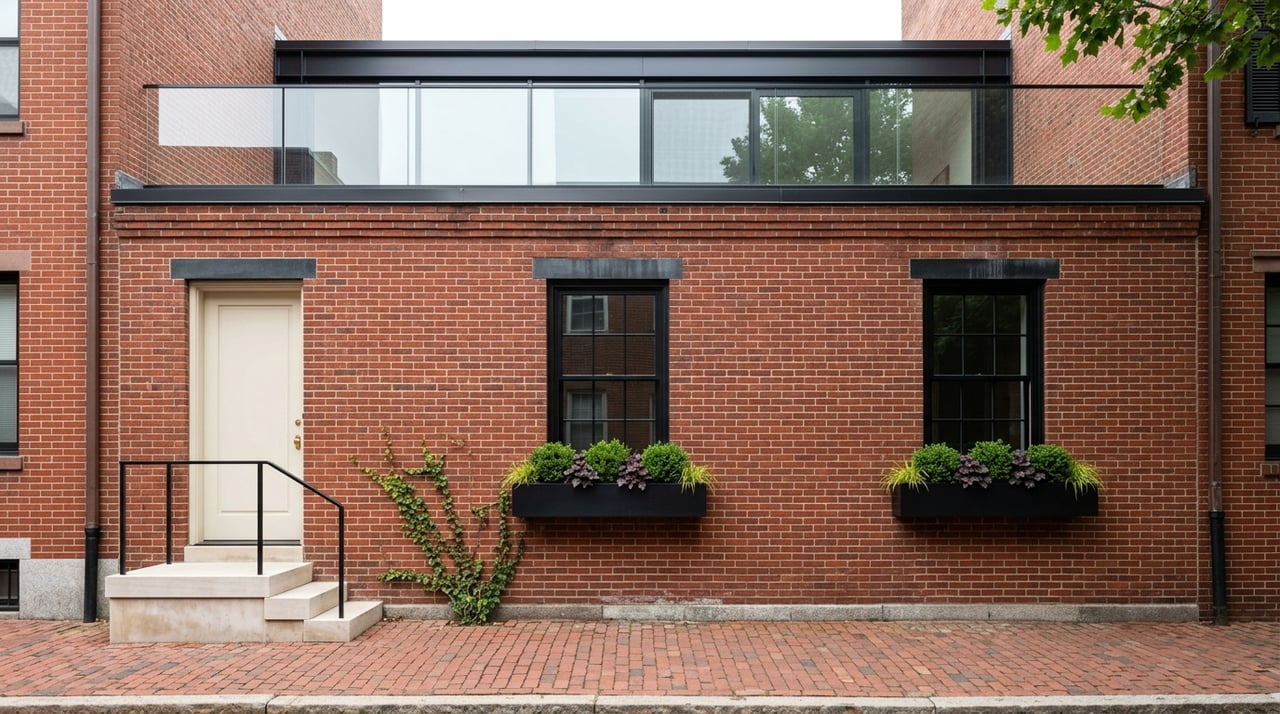
Buying in Cambridge can feel simple until you realize that one address near a well-known square can live very differently from another just a few blocks away. That is especially true for first-time buyers and relocators who are trying to balance transit, building type, street feel, and day-to-day convenience in a city with dense housing and fast-changing block patterns. If you want a clearer way to understand Cambridge before you tour, this guide breaks down the micro-neighborhoods buyers usually learn first and shows how to match them to your lifestyle and priorities. Let’s dive in.
Why micro-neighborhoods matter
Cambridge is officially organized into 13 neighborhoods, but most buyers experience it through a smaller mental map of squares, corridors, and block-by-block pockets. That is not just local shorthand. It reflects how the city actually functions.
According to the City of Cambridge’s neighborhood demographics and housing data, Cambridge had about 118,208 residents in the 2023 ACS estimate, with 66.5% of occupied housing units renter-occupied and 33.5% owner-occupied. The same data shows a housing stock that is heavily multi-family and mixed-use, with only 6.4% of dwelling units classified as single-family homes.
That matters because your buying experience here is often shaped less by a broad neighborhood label and more by what happens on the surrounding blocks. In Cambridge, a short walk can take you from historic mixed-use streets to condo buildings, triple-deckers, institutional edges, or newer development near major commercial corridors.
Start with the major squares
If you are new to Cambridge, the easiest way to get oriented is to begin with the city’s strongest square-centered anchors. These areas shape transit patterns, shopping, foot traffic, and the overall feel of nearby residential streets.
Harvard Square
Harvard Square is Cambridge’s best-known historic commercial center and one of the city’s busiest pedestrian hubs. The area includes about 900,000 square feet of retail and a strong mix of restaurants, shops, arts, and daily activity centered around the Red Line station.
For buyers, Harvard Square often means easy access to amenities and a classic Cambridge atmosphere. It can also mean a busier, more urban feel, especially near the station and core retail streets, while nearby side streets can shift quickly in character.
Central Square
The city describes Central Square as Cambridge’s traditional downtown. It sits between Harvard and MIT, with Central Square Station and multiple bus connections at its core, plus a strong mix of restaurants, arts, nightlife, and civic uses.
If you want a location with strong transit access and an active street scene, Central Square is often one of the first places to study. Buyers should think about how close they want to be to the busiest commercial stretches versus the quieter residential blocks nearby.
Kendall Square
Kendall Square has evolved from a former industrial area into one of the world’s leading life-science and technology centers. The city notes the growth of hotels, restaurants, and shops serving MIT, nearby firms, and surrounding neighborhoods.
For buyers, Kendall often appeals if you want proximity to major employment centers, newer mixed-use development, and strong access to the river and transit. The tradeoff is that some parts feel more commercial and institutionally driven than purely residential.
Porter Square
Porter Square is best understood as a practical shopping and transit node. It offers subway and commuter rail access, independent businesses along Massachusetts Avenue, and a day-to-day convenience factor that many buyers value.
If your priorities include regional access and errands you can do on foot, Porter deserves a close look. It is less about one single atmosphere and more about how efficiently it connects you to the rest of Cambridge and beyond.
River-adjacent areas explained
The Charles River is a major part of Cambridge life, but being near it does not look the same everywhere. The city’s Riverfront planning overview notes that access can vary because of roadway design, crossings, and surrounding land uses.
That is why several river-adjacent micro-neighborhoods feel distinct from one another, even when they appear close on a map.
Cambridgeport
Cambridgeport is a dense neighborhood south of MIT and north of the Charles River. The city describes a clear residential grid on the interior streets and a built form shaped by triple-decker housing from the industrial era, while parts of the southeastern edge have seen substantial lab, office, residential, and institutional redevelopment.
For buyers, Cambridgeport often offers a useful middle ground. You get a residential street network with real neighborhood texture, but you are still close to employment centers, river access, and major commercial zones.
Riverside
Riverside stretches between Harvard Square and Central Square along the Charles River. Massachusetts Avenue acts as a retail spine, and the neighborhood includes some of the oldest settled areas in Cambridge.
It is also one of the most helpful neighborhoods for buyers to understand because it is Cambridge’s densest, at about 63 residents per acre in the city snapshot. If you like the idea of being close to both the river and two major squares, Riverside can be compelling, but density and activity are part of the package.
East Cambridge
East Cambridge combines some of the city’s oldest residential fabric with a long industrial and commercial history. Today, the neighborhood is strongly shaped by Lechmere Square and the Cambridge Street corridor, where former industrial land has shifted toward retail, commercial, and mixed-use development.
For buyers, East Cambridge can feel especially dynamic. Some pockets read as older and more established, while others feel closely tied to recent development and major transportation connections.
Area 2 / MIT
Area 2 / MIT is largely campus-focused, but it still matters because it shapes how the riverfront and Kendall area function. The city notes that it includes MIT’s academic core and student housing district, with the Charles River Reservation as a major public recreation resource.
If you are looking around Kendall or the riverfront, this area helps explain why some blocks feel highly academic or institutional rather than traditionally residential. That context can be useful when you compare one building or street to another nearby.
Residential pockets buyers should know
Beyond the headline squares, Cambridge has several mostly residential pockets that often appeal to buyers who want a different pace or streetscape while still staying connected.
Mid-Cambridge
Mid-Cambridge sits between Harvard Square, Central Square, and Inman Square. It is a large, high-density residential neighborhood with Massachusetts Avenue as a key commercial spine and major civic and institutional destinations within its boundaries.
For buyers, Mid-Cambridge is often appealing because of its central position. It can offer a practical balance of residential streets and access to multiple activity centers.
Baldwin
Baldwin sits between Harvard Square and Porter Square, with Massachusetts Avenue as a retail corridor. The city snapshot describes it as a small, moderate-density residential neighborhood with portions of the Old Cambridge Historic District.
This is a good example of how historic character and location can overlap in Cambridge. Buyers who want quick access to major squares but still care about a more residential setting often find Baldwin worth watching.
Neighborhood Nine
Neighborhood Nine is another residential area anchored by Harvard Square and Porter Square. Massachusetts Avenue is an important commercial corridor here as well, and the neighborhood also connects to Fresh Pond Shopping Center and Danehy Park.
For buyers, that can translate into a wider mix of day-to-day convenience and open-space access. It is one of the areas where looking at your exact route to transit, errands, and recreation really pays off.
Wellington-Harrington
Wellington-Harrington sits between East Cambridge and Inman Square. The city notes that it contains many three-story homes set close together, creating one of Cambridge’s tightest residential fabrics.
If you are drawn to compact urban neighborhoods with close proximity to mixed-use corridors, this area can stand out. It is another place where the feel of the block is especially important.
West Cambridge
West Cambridge reads differently from much of the city. The city snapshot shows lower density at about 12 residents per acre, with a strong residential and open-space character, plus major reference points like Fresh Pond Reservation and Mount Auburn Cemetery.
For buyers, West Cambridge can feel greener and less tightly built than more central sections of the city. If your priorities include open space and a calmer streetscape, it may belong on your list.
North Cambridge
North Cambridge offers a broader housing mix, from single-family homes to larger apartment buildings. Porter Square sits at one end, Alewife at the other, and Massachusetts Avenue remains a key commercial and transit corridor.
This is often a useful area for buyers who want flexibility in housing type and access points. Depending on the exact location, it can feel more residential while still offering strong connections across Cambridge.
What the buildings tell you
In Cambridge, architecture is not just visual background. It often gives you clues about ownership patterns, maintenance expectations, and how a block may feel day to day.
The Cambridge Historical Commission notes that the city includes two Historic Districts and four Neighborhood Conservation Districts, including Harvard Square, Mid Cambridge, Avon Hill, and Half Crown-Marsh. These districts regulate visible exterior changes and help preserve architecturally and historically distinctive areas.
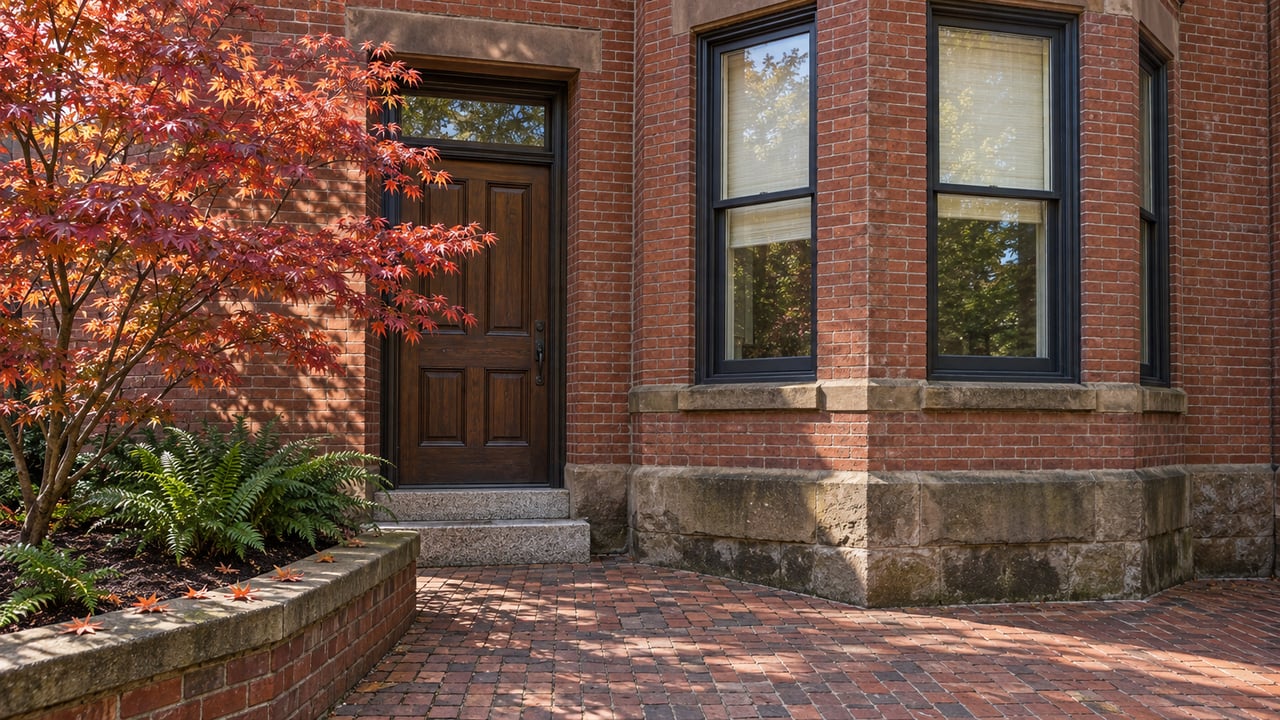
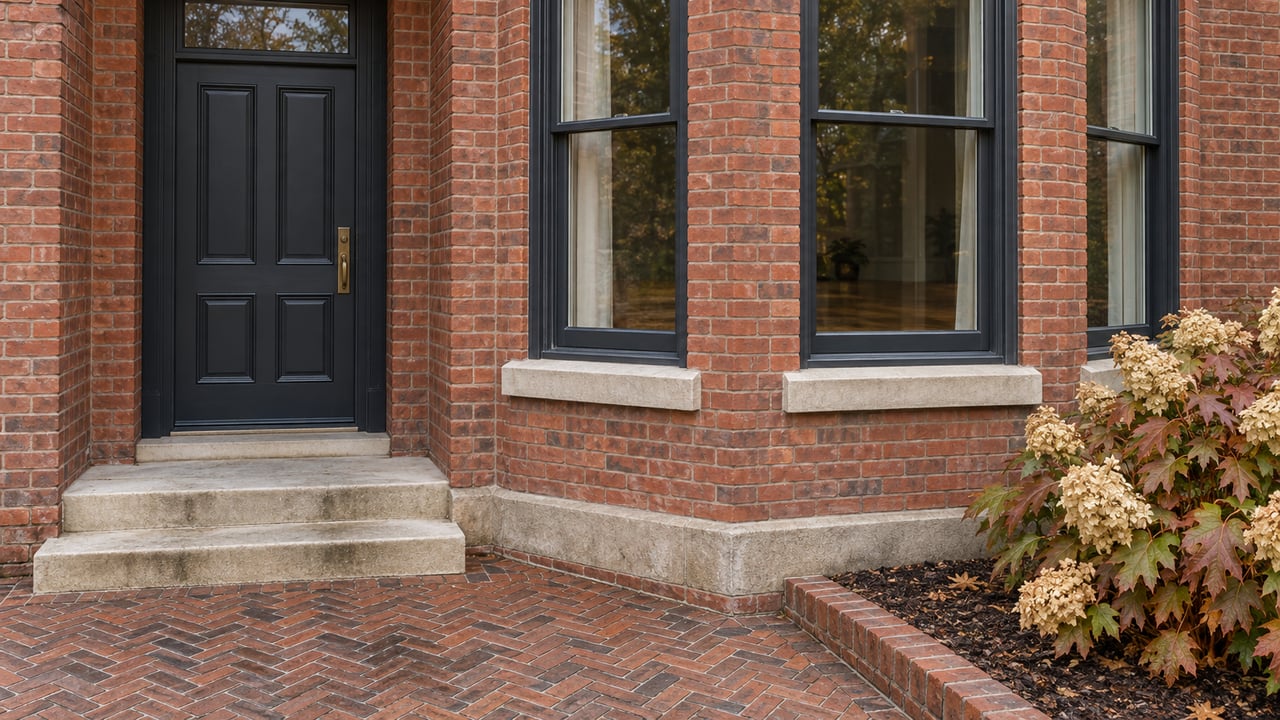
In practical terms, that means you may see preserved facades, wood-frame houses, triple-deckers, condo conversions, and newer mixed-use or residential buildings within a very short distance. Cambridgeport is known for its gridded streets and triple-decker history, while East Cambridge reflects a different pattern shaped by industrial and commercial evolution.
How to choose the right fit
If you are trying to narrow your search, it helps to think in terms of daily life instead of broad labels. Cambridge changes quickly at the block level, so a neighborhood name alone will not tell you enough.
A simple framework is this:
- Prioritize the squares first if you want the strongest transit and commercial access.
- Focus on river-adjacent neighborhoods if outdoor access and proximity to employment centers matter most.
- Explore residential pockets if you want a calmer streetscape without leaving Cambridge behind.
- Study the exact block if building type, traffic patterns, and street feel are high priorities.
Cambridge is also unusually navigable without a car. The city’s transportation overview highlights five Red Line stations, the Lechmere Green Line station, commuter rail service, 26 MBTA bus routes, and strong biking infrastructure, which helps explain why transit and bike access can matter as much as square footage.
The right Cambridge micro-neighborhood is usually the one that fits how you actually live, not just the one with the most familiar name. If you want help comparing streets, buildings, and buyer tradeoffs in Cambridge, Georgia Balafas can help you build a smart, clear search strategy from the start.
FAQs
What are Cambridge micro-neighborhoods for home buyers?
- Cambridge micro-neighborhoods are the smaller pockets, squares, and block-level areas buyers use to understand daily life more clearly than broad official neighborhood boundaries.
Which Cambridge squares should new buyers learn first?
- New buyers should usually start with Harvard Square, Central Square, Kendall Square, and Porter Square because they are major anchors for transit, shopping, and neighborhood identity.
Which Cambridge neighborhoods feel more residential for buyers?
- Buyers often look closely at Mid-Cambridge, Baldwin, Neighborhood Nine, Wellington-Harrington, West Cambridge, and North Cambridge when they want a more residential setting.
Why does block-by-block location matter in Cambridge real estate?
- Block-by-block location matters because Cambridge has dense housing, mixed-use corridors, and fast-changing streetscapes, so two homes in the same neighborhood can offer very different day-to-day experiences.
Is Cambridge easy to navigate without a car for buyers?
- Yes, the city reports strong transit access, multiple Red Line stations, bus routes, commuter rail connections, and robust biking infrastructure, which makes car-free or car-light living realistic in many areas.