If you picture Boston living as a mix of historic charm, city convenience, and beautiful public spaces, Back Bay probably comes to mind. This is one of those neighborhoods that feels instantly recognizable, yet your day-to-day experience here depends on what you value most, from walkability and architecture to dining, transit, and access to the river. If you’re considering a move, this guide will help you understand what it’s actually like to live in Back Bay and what tradeoffs come with the location. Let’s dive in.
Back Bay at a glance
Back Bay is one of Boston’s most distinctive neighborhoods, known for its historic rowhouses, major cultural landmarks, and central location. According to the City of Boston, the area was originally tidal water and then filled in during the mid-19th century, creating more than 450 acres of usable land by the 1880s. It was planned as a fashionable residential district, and that design still shapes the neighborhood today.
Back Bay is also a protected historic district. The Back Bay Architectural District was established in 1966, and exterior changes are reviewed under preservation guidelines that help maintain the neighborhood’s consistent look and feel. If you love classic Boston architecture, that preservation framework is a big part of why Back Bay feels so cohesive from block to block.
What the neighborhood feels like
Back Bay feels polished, active, and highly walkable. Its best-known corridors include Newbury Street, Boylston Street, and Commonwealth Avenue, alongside major landmarks like the Prudential Center, Trinity Church, the Boston Public Library, and the John Hancock Tower, all highlighted by the City of Boston as defining parts of the area.
What sets the neighborhood apart is how much of daily life happens in the public realm. You can step outside and quickly reach cafés, shops, parks, libraries, and transit without needing to plan your day around a car. In that sense, Back Bay feels less like a quiet residential enclave and more like a well-composed urban neighborhood where architecture and convenience work together.
Historic character shapes daily life
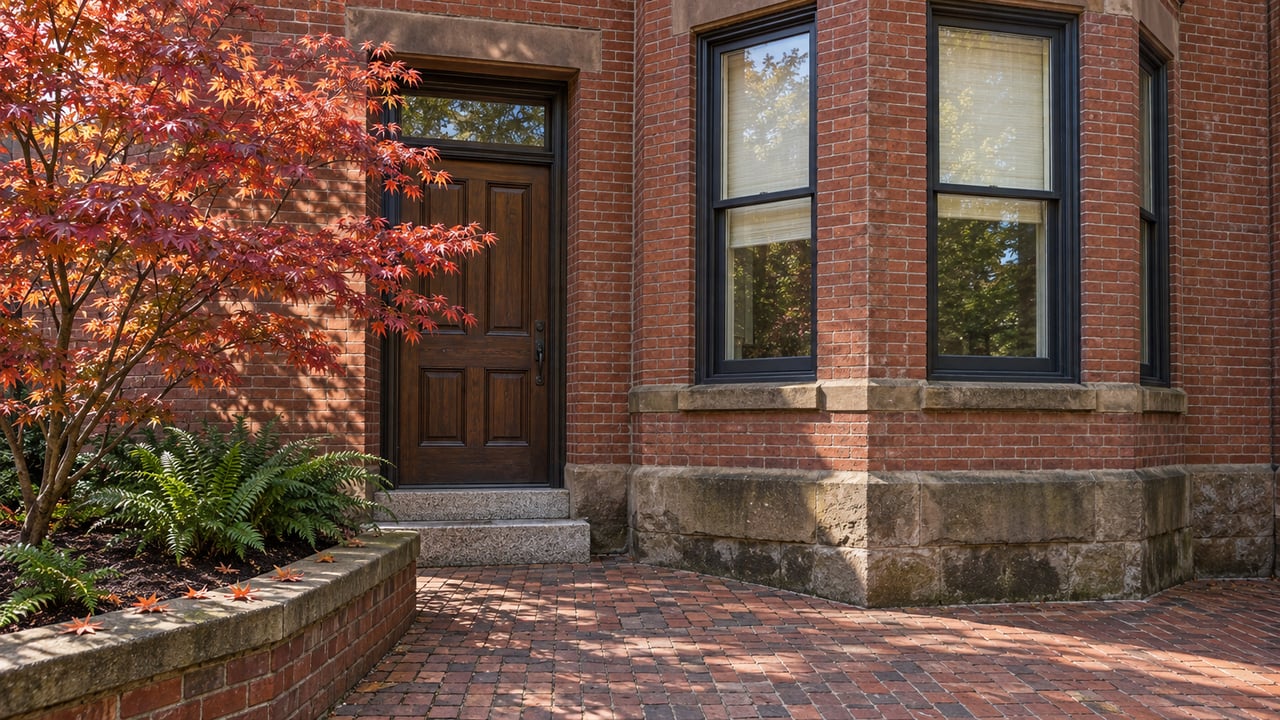
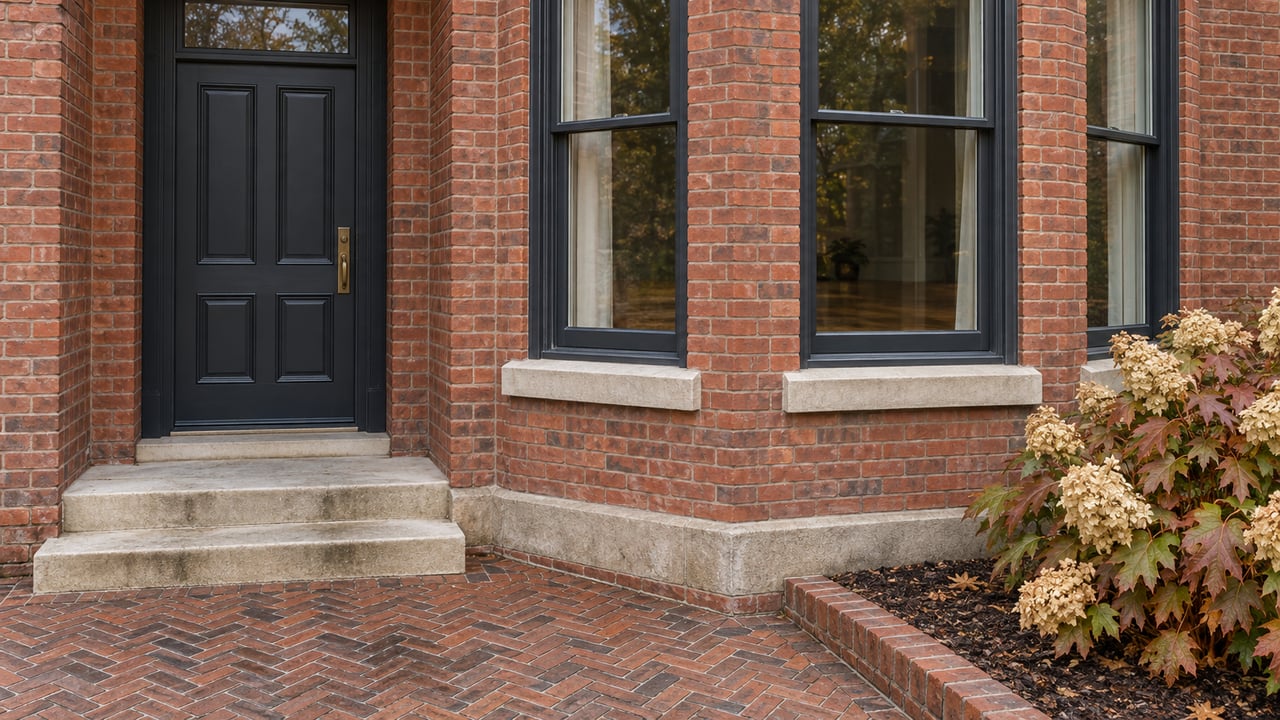
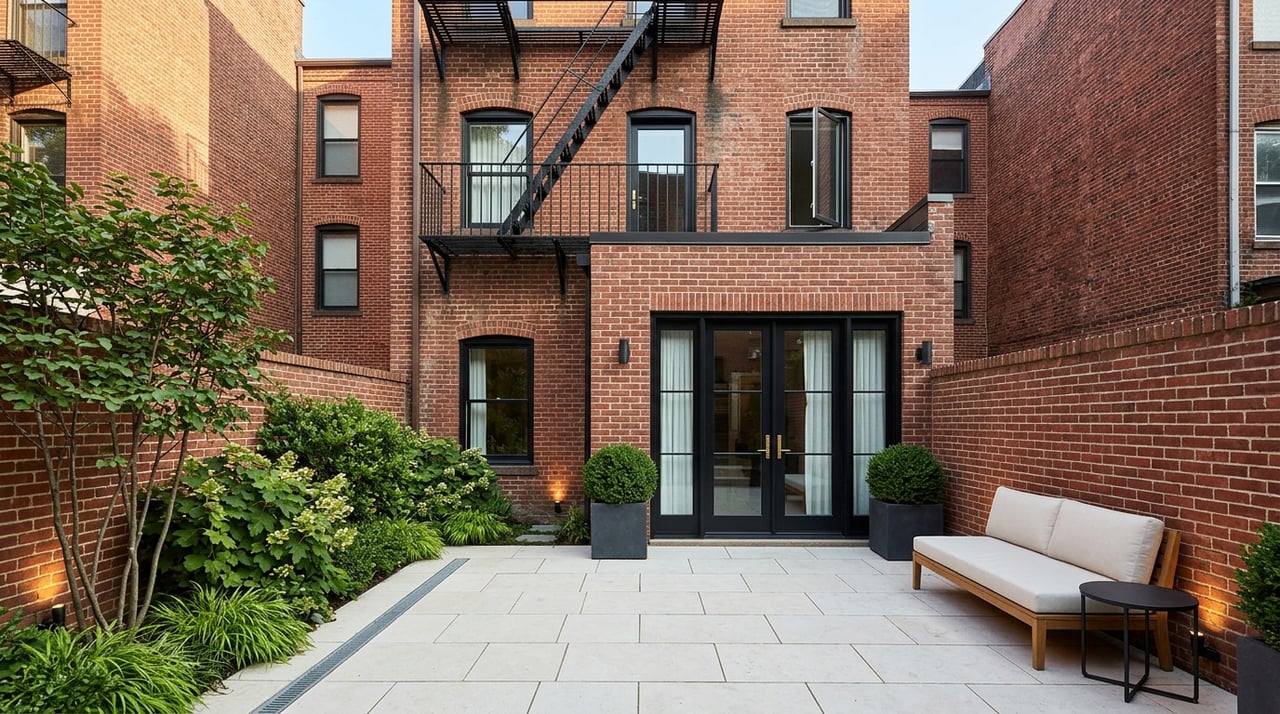
Back Bay’s visual identity is one of its biggest draws. The neighborhood’s preservation guidelines emphasize historic materials, cornice lines, setbacks, and the overall rhythm of the streetscape. That attention to detail helps explain why the rowhouse blocks feel so orderly and elegant.
For residents, that historic character is more than a backdrop. It influences how the neighborhood looks, how homes are maintained, and what kinds of exterior updates are possible. If you’re drawn to classic brownstones and a strong sense of place, this is a major advantage. If you prefer fewer restrictions on exterior changes, it is something to keep in mind.
Parks and green space nearby
One of the best parts of living in Back Bay is how easy it is to reach meaningful green space. Commonwealth Avenue Mall is a 32-acre French boulevard-style promenade that runs through the neighborhood and gives it a formal, landscaped spine. It adds breathing room to a dense urban setting and creates a natural path for walking through the area.
The Charles River Esplanade is another major everyday amenity. The park stretches more than three miles from the Museum of Science to the Boston University Bridge and includes eight footbridges, 1,700 trees, and ten ornamental gardens. For many residents, it becomes the go-to place for a morning walk, a run, a bike ride, or just a break from the pace of the city.
The Esplanade also supports free public programming. The GroundBeat series brings free riverfront music to the Hatch Shell area, which adds another layer to neighborhood life. You get not only scenic open space, but also a public gathering place that changes throughout the day and season.
Copley Square adds a civic center
Copley Square gives Back Bay another kind of outdoor experience. It serves as both a landmark and a practical gathering place, surrounded by major institutions and busy daily foot traffic. The city’s latest Copley Square park update notes that the raised grove and plaza reopened in April 2025, with additional fountain and lawn areas anticipated to finish by April 2026.
That matters because Copley Square is built for both everyday use and major public events. The city designed it to support regular neighborhood activity, the Boston Marathon, and the Copley Square Farmers Market. If you enjoy living near an active civic space, Back Bay delivers that in a very visible way.
Shopping and dining are part of the lifestyle
Back Bay is one of Boston’s most established shopping and dining destinations. Open Newbury Street describes Newbury as a mile-long, eight-block stretch of shops, salons, galleries, and restaurants. On select Sundays, it becomes pedestrian-only from Berkeley Street to Massachusetts Avenue, turning the corridor into an outdoor promenade.
That setup shapes daily life in a very real way. Back Bay offers easy access to boutique shopping, coffee spots, restaurants, and steady street activity. If you like the energy of a neighborhood where you can run errands, meet a friend, and spend time outside all within a few blocks, this is one of Back Bay’s biggest strengths.
The Prudential Center adds another layer of convenience. Its official visitor information highlights easy access by transit, and the center functions as a year-round shopping and dining destination. For residents, that means many everyday needs and weekend plans can be handled close to home.
Culture is built into the neighborhood
Back Bay is not just about retail and real estate. It also has a strong civic and cultural identity anchored by institutions that are part of everyday life in Boston. The Boston Public Library says its Central Library in Copley Square spans two landmark buildings and holds more than 23 million items.
Nearby, Trinity Church adds another architectural and cultural landmark. According to Trinity Church, its Copley Square location welcomes more than 70,000 visitors each year. Together, these institutions help give Back Bay a sense of depth that goes beyond convenience and aesthetics.
For many residents, that means living in a neighborhood where architecture, public space, and culture are woven into your normal routine. You are not commuting into the city experience. You are already in it.
Getting around without a car
Back Bay is one of Boston’s most transit-connected neighborhoods, which is a big advantage if you want flexibility in how you move through the city and beyond. The Boston Public Library’s Copley Square visitor page lists Copley station on the Green Line, Back Bay Station on the Orange Line, Commuter Rail, and Amtrak, along with several bus routes. Arlington and Hynes stations also support access around the neighborhood, and Bluebikes are available near Newbury Street.
In practical terms, that means commuting, regional travel, and day-to-day errands can often happen without getting behind the wheel. This is especially appealing if you work downtown, travel frequently, or simply prefer walkable city living.
That said, convenience by foot and transit comes with a tradeoff. The library also notes that street parking is limited in the area. If easy parking is high on your list, that’s one of the biggest realities to weigh before making a move.
The tradeoffs to expect
Every neighborhood has compromises, and Back Bay is no exception. Because it is centrally located and highly desirable, you should expect visitors, event crowds, and busy streets, especially near major retail corridors and public landmarks.
Parking can be limited, and the preservation framework restricts some exterior changes to homes in the district. For many buyers and renters, those tradeoffs are worth it because of the walkability, historic setting, and close connection to downtown Boston. Still, it helps to go in with clear expectations.
Back Bay tends to make the most sense if you value location, architecture, and access over driving convenience and privacy from street activity. The neighborhood’s biggest amenity is the experience of living in it.
Who Back Bay may suit best
Back Bay can appeal to a range of buyers and renters, but it tends to resonate most with people who want a classic Boston setting paired with urban convenience. If you enjoy walking to restaurants, spending time in parks, using transit, and living near cultural landmarks, Back Bay offers that in a concentrated way.
It can also be a strong fit if you appreciate historic homes and a neighborhood with a clearly defined architectural identity. On the other hand, if you want easier parking, less foot traffic, or fewer restrictions on exterior updates, another Boston neighborhood may align better with your priorities.
The key is matching your lifestyle to the rhythm of the area. Back Bay is not trying to feel tucked away. Its appeal comes from being connected.
Final thoughts on living in Back Bay
Living in Back Bay means choosing one of Boston’s most iconic and best-connected neighborhoods. You get historic streetscapes, major public spaces, strong transit access, destination shopping and dining, and a daily setting shaped by architecture and civic life.
For the right buyer, that combination is hard to replicate. If you’re weighing a move to Back Bay and want clear, local guidance on what fits your goals, Georgia Balafas can help you navigate Boston’s micro-markets with a thoughtful, strategic approach.
FAQs
What is daily life like in Back Bay, Boston?
- Daily life in Back Bay is typically walkable, active, and centered around public spaces, shops, dining, cultural institutions, and transit access.
Is Back Bay a good neighborhood for walking in Boston?
- Yes. Back Bay offers easy access to Newbury Street, Commonwealth Avenue Mall, Copley Square, the Charles River Esplanade, and several transit stations, which supports a highly walkable lifestyle.
What are the main drawbacks of living in Back Bay?
- Common tradeoffs include limited street parking, visitor and event crowds, and historic district rules that can restrict some exterior changes.
Does Back Bay have good public transit access?
- Yes. Back Bay is served by the Green Line, Orange Line, Commuter Rail, Amtrak, bus routes, and nearby Bluebikes access.
What makes Back Bay different from other Boston neighborhoods?
- Back Bay stands out for its planned historic streetscape, preserved architecture, central location, landmark institutions, and the way parks and civic spaces shape everyday life.